

Advertisements
Here’s a stat that honestly still haunts me — according to the American Veterinary Medical Association, cats are significantly underdiagnosed for pain because they’re masters at hiding it. I learned this the hard way with my cat, Oliver, who spent nearly a week suffering from a urinary blockage before I even noticed something was off. That experience changed everything about how I watch my cats, and I really wish someone had spelled out the signs of a sick cat for me earlier!
Cats aren’t like dogs. They won’t whimper or limp over to you begging for help. Their survival instincts tell them to mask discomfort, which means by the time you notice something’s wrong, things might already be serious.
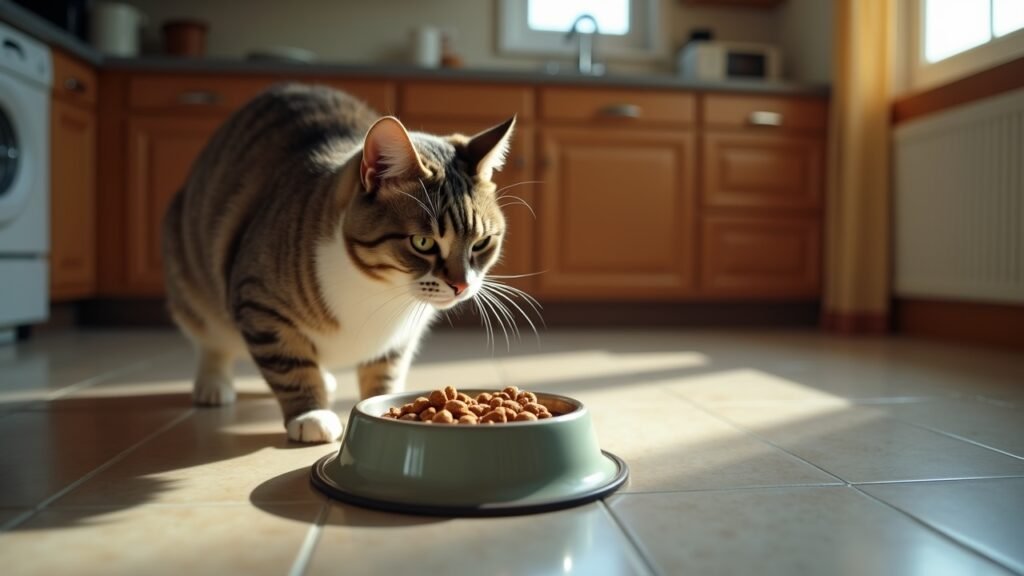
Changes in Eating and Drinking Habits
This was literally the first thing I missed with Oliver. He went from inhaling his wet food to just kinda sniffing it and walking away. I thought he was being picky — turns out he was in serious pain.
A sudden loss of appetite in cats is one of the most common signs of illness. On the flip side, if your cat is suddenly drinking way more water than usual, that could point to kidney disease or diabetes. The Cornell Feline Health Center notes that increased thirst is one of the earliest indicators of chronic kidney issues in older cats.
Pay attention to their bowl. Seriously, it sounds simple, but tracking how much your cat eats and drinks daily can catch problems early.
Hiding More Than Usual
Okay so cats love their alone time — I get it. But there’s a huge difference between your cat napping in a sunny corner and your cat wedging herself behind the washing machine for three days straight.
When a cat is in pain or feeling unwell, their instinct is to retreat and hide. If your normally social kitty suddenly becomes a ghost, something’s probably up. I remember my friend’s cat, Beans, hid under the bed for almost a week before they discovered she had a painful dental abscess.
Litter Box Red Flags
Nobody loves talking about cat poop, but honestly? The litter box is like a health dashboard for your feline. Changes in frequency, consistency, or color of their stool can signal everything from parasites to inflammatory bowel disease.
And if your cat starts going outside the litter box — don’t just assume its a behavioral thing. Urinating outside the box, straining to pee, or crying in the litter box are all classic signs of urinary tract problems. This is exactly what happened with Oliver, and I kicked myself for initially thinking he was just being difficult.
Behavioral Shifts and Vocalization Changes
A cat that’s normally chill suddenly hissing when you touch a certain spot? That’s a pain response. Likewise, a typically quiet cat becoming excessively vocal — especially with low-pitched yowling — is often trying to tell you something’s wrong.
According to the Ohio State University Veterinary Medical Center, changes in vocalization patterns are one of the most overlooked signs of cat pain. I started keeping mental notes of Oliver’s “normal” sounds after his health scare, and honestly it’s been super helpful.
Grooming Changes — Too Much or Too Little
Cats are famously clean animals. So when they stop grooming and their coat starts looking matted or greasy, that’s a major red flag. It usually means they’re either too painful or too fatigued to keep up with their routine.
Advertisements
On the other hand, over-grooming one specific area can indicate localized pain or skin irritation. I once noticed my other cat, Maple, licking her belly raw — turned out she had a food allergy we never knew about.
Subtle Physical Signs to Watch For
- Squinting or half-closed eyes (a well-documented pain indicator)
- Rapid or shallow breathing
- Limping or reluctance to jump
- Flattened ears or tense facial expression
- Unexplained weight loss over a short period
These physical symptoms of cat illness are easy to miss if your not actively looking. But once you know what to watch for, they become pretty obvious.
Trust Your Gut — And Your Vet

Look, I’m not a veterinarian. But after years of living with cats and making mistakes along the way, the biggest lesson I’ve learned is this: if something feels off about your cat, don’t wait. Early detection saves lives — and saves your cat from unnecessary suffering. A quick vet visit is always worth the peace of mind.
Every cat is different, so get to know YOUR cat’s normal habits and personality. That knowledge is your best diagnostic tool. And if you want more tips on keeping your pets healthy and happy, head over to Paws Primer where we’re always sharing practical, real-world advice for pet parents like us!