

The Perfect Daily Routine for an Indoor Cat (And Why Your Kitty Secretly Craves One)
Advertisements
Here’s something that blew my mind when I first learned it: indoor cats sleep between 12 and 16 hours a day, but those remaining hours? They can be filled with pure chaos if you don’t have a plan. I learned this the hard way when my cat, Mango, decided that 3 AM was the perfect time to knock every single item off my nightstand. Every. Single. One.
That’s when I realized that having a solid daily routine for an indoor cat isn’t just nice to have — it’s essential. A structured schedule keeps your kitty mentally stimulated, physically healthy, and way less likely to destroy your stuff out of boredom. So let me walk you through what actually works, based on years of trial and, honestly, a lot of error.
Morning: Rise, Shine, and Feed on Schedule
Cats are crepuscular, which is a fancy word meaning they’re most active at dawn and dusk. So mornings are kind of a big deal for them. I used to just toss food in the bowl whenever I stumbled out of bed, but feeding your cat at the same time every day makes a huge difference in their overall behavior.
I aim for somewhere around 7 AM. Mango gets his wet food first thing, and I’ve noticed he’s way calmer throughout the morning now. According to Cornell University’s College of Veterinary Medicine, consistent feeding schedules help regulate your cat’s digestion and reduce anxiety.
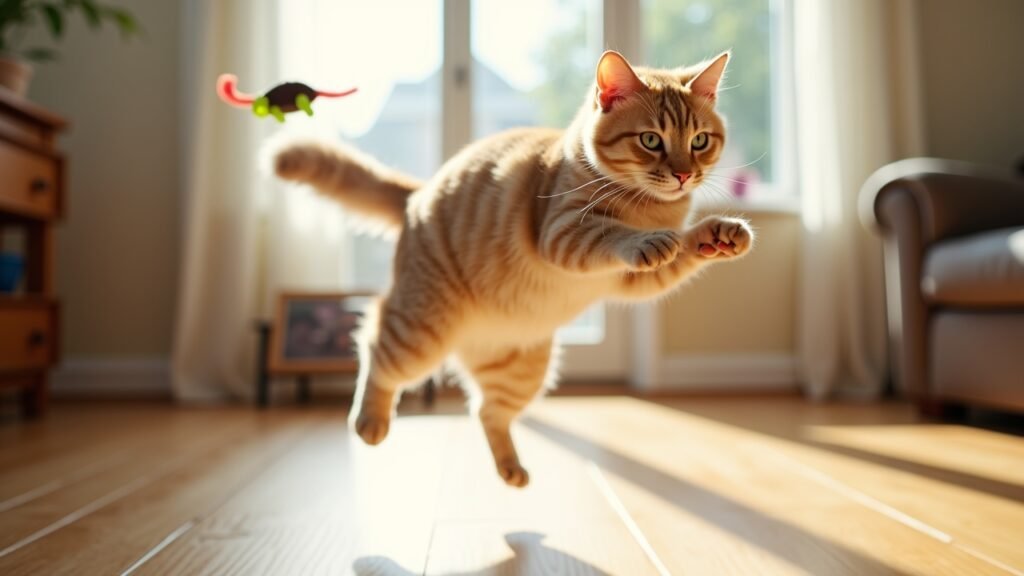
Right after breakfast is also a great time for a quick play session. Even just 10 minutes with a feather wand gets that morning energy out. Trust me, your curtains will thank you.
Midday: Let Them Do Their Thing
Here’s where I used to mess up. I felt guilty leaving Mango alone while I worked, so I’d constantly try to engage him during the day. Turns out, cats actually need their alone time and midday naps are totally normal and healthy.
Set up a cozy window perch so your indoor cat can watch birds and soak up some sun. This is basically cat television, and it provides mental enrichment without you having to do anything. I grabbed a simple cat window perch from Amazon and it was genuinely one of the best purchases I’ve ever made for him.
You can also leave out a puzzle feeder with some dry kibble. It keeps them occupied and mimics the mental challenge of hunting, which indoor cats desperately need since they don’t get to chase real prey.
Evening: Playtime Is Non-Negotiable
This is the most important part of your indoor cat’s daily routine, and the one I see people skip the most. Your cat needs an active, dedicated play session in the evening. Period. We’re talking at least 15 to 20 minutes of interactive play where you’re actually involved — not just tossing a toy on the floor and scrolling your phone.
I rotate between wand toys, laser pointers (always end with a physical treat so they feel like they “caught” something), and crinkle balls. The ASPCA recommends regular play to prevent obesity in indoor cats, which is a real concern since they don’t get the exercise outdoor cats do.
After our big play session, I give Mango his evening meal. This mimics the natural hunt-catch-eat cycle, and honestly, it knocked out those 3 AM zoomies almost overnight. I was so relieved I could’ve cried.
Nighttime: Wind Down Together

Bedtime routines aren’t just for kids. After dinner, Mango and I have our little ritual — he gets some gentle brushing, maybe a few treats, and then he settles into his favorite spot on the couch. Grooming your cat in the evening is great for bonding and it helps you spot any skin issues or lumps early on.
Advertisements
Keep the environment calm. Dim the lights, lower the TV volume. Cats pick up on environmental cues more than we realize, and a predictable nighttime routine helps signal that it’s time to chill out.
Your Cat’s Counting on You
Look, every cat is different, and what works for Mango might need tweaking for your fur baby. The key is consistency — cats thrive on predictability, and a thoughtful daily routine keeps your indoor cat happy, healthy, and out of trouble. Just remember to always provide fresh water, keep the litter box clean, and pay attention to any behavioral changes that might signal a health issue.
If you found this helpful, there’s plenty more where it came from! Head over to Paws Primer for more tips on keeping your feline friend living their best indoor life.