

Dog Health Checklist Monthly Exam: The Simple Routine That Saved My Dog’s Life

Advertisements
Here’s a stat that honestly shook me — according to the American Veterinary Medical Association, early detection through routine checkups can extend your dog’s life by up to two years. Two whole years! I wish someone had drilled that into my head before I learned the hard way with my beagle, Copper.
A dog health checklist monthly exam isn’t about being paranoid. It’s about catching the small stuff before it becomes the big, expensive, heartbreaking stuff. And trust me, once you get into the habit, it takes less than ten minutes.
Why I Started Doing Monthly At-Home Dog Health Exams
So here’s my embarrassing confession. About three years ago, I noticed Copper was scratching his ear a lot, and I just figured, eh, allergies. Weeks went by. Turns out he had a nasty ear infection that had gotten so bad the vet said it could’ve caused permanent hearing damage if I’d waited much longer.
That was my wake-up call. I started doing a simple nose-to-tail checkup every single month, and honestly it’s become kind of a bonding thing for us now. He gets treats, I get peace of mind — everybody wins.
Your Monthly Dog Health Checklist: What to Actually Check
Alright, let’s get into the nitty-gritty. Here’s the checklist I personally follow, and it’s been refined through trial, error, and a few “why didn’t I check that sooner” moments.
Eyes, Ears, and Nose
Start with those adorable eyes. You’re looking for cloudiness, excessive discharge, or redness — any of those could signal an eye infection or something more serious like canine cataracts. The nose should be moist but not excessively runny.
For ears, I gently flip them back and take a good sniff. Yeah, it sounds weird. But a yeasty or foul smell is usually the first sign of an ear infection, and I wasn’t about to repeat the Copper incident.
Mouth and Teeth
Dental disease affects over 80% of dogs by age three, according to the Veterinary Oral Health Council. That number is wild. I lift Copper’s lips and check for red or swollen gums, broken teeth, and any unusual bumps on the gum line.
Bad breath that smells unusually rotten — not just regular dog breath — can be a red flag too. I started brushing his teeth weekly after the vet showed me how much tartar buildup he had. It was honestly embarrassing.
Skin and Coat
Run your hands through your dog’s entire coat slowly. You’re feeling for lumps, bumps, dry patches, or anything that makes your dog flinch. I once found a tiny tick buried behind Copper’s shoulder that I would’ve totally missed on a regular petting session.
Look for excessive shedding, hot spots, or flaky skin. These could point to allergies, parasites, or nutritional deficiencies.
Body Condition and Weight
This one’s huge and it’s often overlooked. You should be able to feel your dog’s ribs without pressing hard, but not see them prominently. I use the WSAVA body condition score chart as a reference — it’s super helpful.
Advertisements
Sudden weight loss or gain between monthly checks is definitely something to bring up with your vet. I keep a simple log on my phone with Copper’s weight each month.
Legs, Paws, and Nails
Gently flex each leg and watch for signs of pain or stiffness, especially in older dogs dealing with joint health issues. Check between the paw pads for cuts, foxtails, or cracking. And those nails — if you hear clicking on the floor, they’re probably too long.
Behavior and Energy Levels
Honestly, this might be the most important part of the whole checklist. Changes in appetite, water intake, bathroom habits, or general energy can tell you something’s off way before physical symptoms show up. You know your dog better than anyone.
Your Dog’s Counting on You
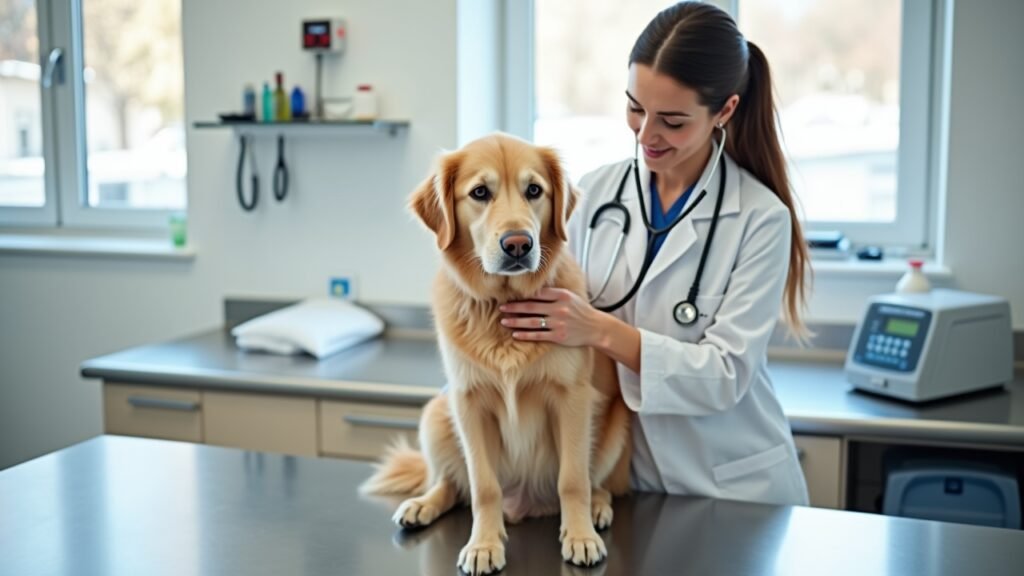
Look, nobody expects you to replace your veterinarian. But a monthly dog health exam at home is like a safety net between those annual vet wellness visits. Customize this checklist based on your dog’s breed, age, and any existing conditions they might have.
Always consult your vet if something feels off — better safe than sorry, always. And if you’re looking for more practical tips on keeping your furry friend happy and healthy, head over to the Paws Primer blog where we’re constantly sharing guides just like this one. Your pup will thank you for it!