

Why Is My Cat Losing Hair? What I Learned After Months of Worry
Advertisements
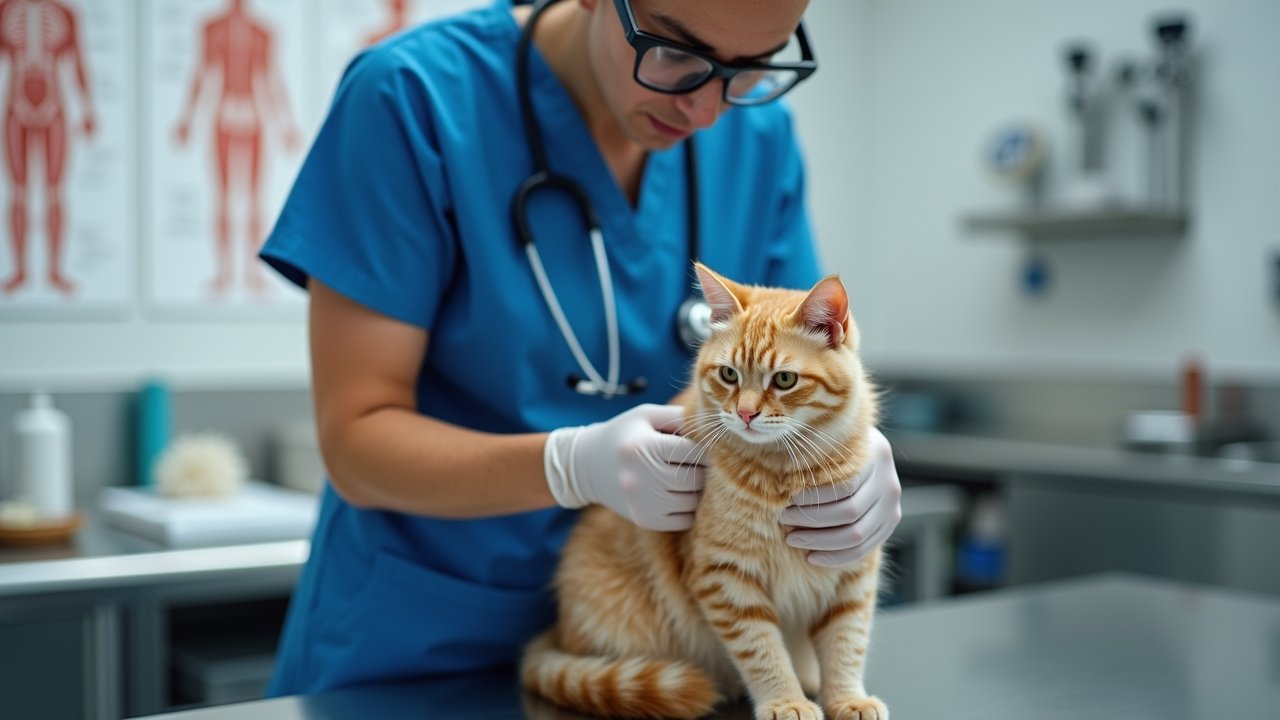
Here’s a stat that honestly shocked me — roughly 1 in 3 vet visits for cats involve some kind of skin or coat issue. I know this because my vet told me that while I was sitting there, holding my cat Oliver, staring at a growing bald patch behind his ear. I was freaking out, honestly!
If you’re noticing clumps of fur on your couch or thinning patches on your cat’s body, trust me, I get it. Cat hair loss — or alopecia in cats — is one of those things that looks terrifying but usually has a pretty manageable explanation. Let me walk you through everything I learned the hard way.
The Most Common Reasons Cats Lose Their Fur
So here’s the thing. There’s not just one answer to “why is my cat losing hair.” There’s actually a whole list, and some of them surprised me big time.
- Allergies — Food allergies, environmental allergies, even flea allergy dermatitis. Oliver’s issue turned out to be a reaction to a new laundry detergent I’d switched to. Yep, seriously.
- Fleas and parasites — Even indoor cats can get fleas. One flea bite can trigger intense itching and excessive grooming that leads to bald spots.
- Stress and anxiety — Cats are way more sensitive than we give them credit for. A new pet, a move, even rearranging furniture can cause psychogenic alopecia, where they literally lick their fur off.
- Fungal infections like ringworm — This one’s contagious to humans too, so don’t mess around with it.
- Hormonal imbalances — Conditions like hyperthyroidism can cause coat thinning. The Cornell Feline Health Center has great resources on this.
How I Figured Out What Was Wrong With Oliver
I’ll be honest — I spent about three weeks Googling before I finally just took him to the vet. That was a mistake. I was reading forums at 2 AM convinced he had some rare autoimmune disease, when really he just needed a simple allergy test.
The vet did a skin scraping to rule out mange and ringworm. Then we did a food elimination trial, which is basically where you feed your cat a super basic diet for 8-12 weeks to see if a food allergy is the culprit. It’s tedious but it works.
Turns out, it wasn’t even food. When I switched back to my old unscented detergent, Oliver’s fur started growing back within a couple weeks. I felt kinda dumb, but also so relieved.
When You Should Actually Be Worried
Not all cat hair loss is created equal. Some situations definitely warrant a faster trip to your veterinarian.
If you notice red, inflamed skin, scabs, or open sores alongside the hair loss — that’s a sign something more serious is going on. Same goes for if your cat is losing weight, drinking more water than usual, or acting lethargic. Those could point to thyroid issues or even other underlying diseases that need bloodwork to diagnose.
Also, if the bald patches are perfectly circular, get checked for ringworm immediately. Don’t be like my neighbor who waited and then the whole family got it. Not fun.
Simple Things You Can Do at Home
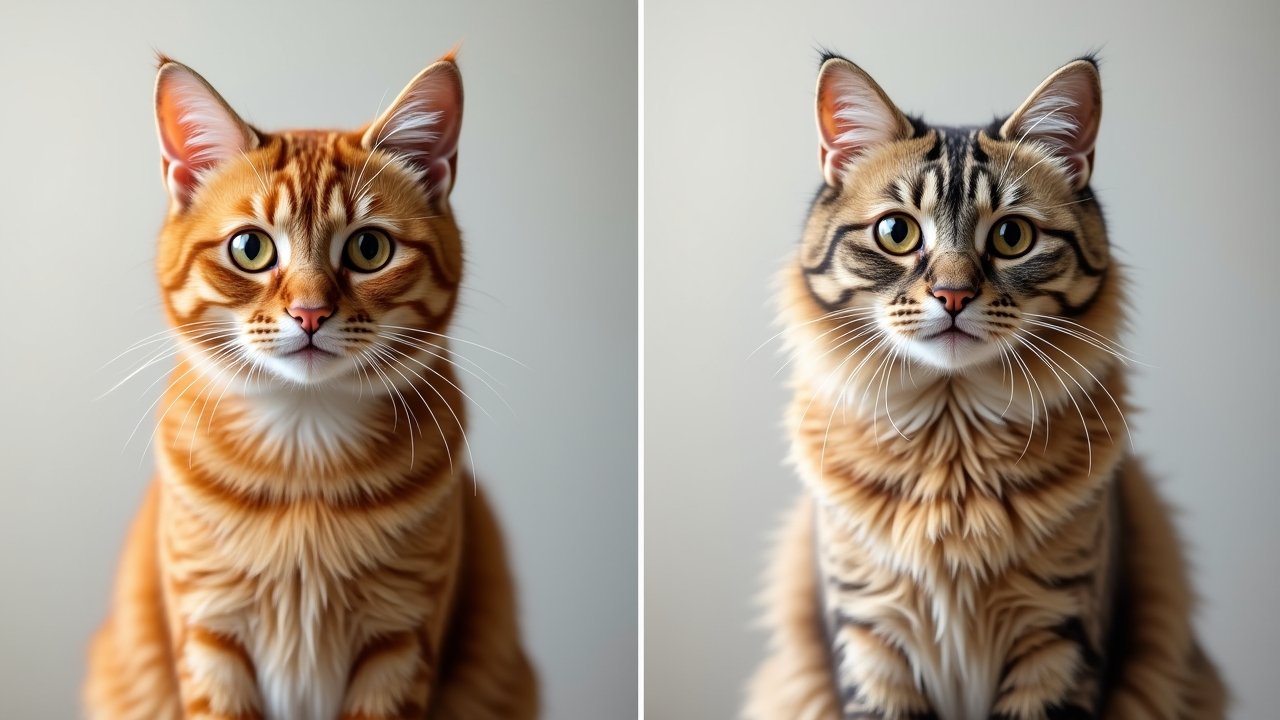
While you’re waiting for that vet appointment — or if you just want to support your cat’s coat health in general — here’s what actually helped me:
- Keep up with flea prevention monthly, even for indoor cats.
- Brush your cat regularly. It reduces loose fur and lets you spot problems early.
- Feed a high-quality diet with omega-3 fatty acids. This made a noticeable difference in Oliver’s coat.
- Minimize stress by keeping routines consistent and providing enrichment toys.
- Avoid scented products near your cat’s bedding and favorite spots.
Your Cat’s Coat Is Trying to Tell You Something
At the end of the day, hair loss in cats is almost always your furry friend’s way of saying something’s off. It might be minor, it might need medical attention — but either way, it deserves your attention. Every cat is different, so what worked for Oliver might not be your kitty’s exact situation.
Please don’t skip the vet visit. And whatever you do, don’t panic at 2 AM like I did. If you want more practical cat care advice and tips from someone who’s been through the trenches, come hang out with us over at Paws Primer — we’ve got tons of posts to help you and your feline companion thrive!