
Advertisements
Did you know that nearly 40% of cat owners say their feline has bitten them during playtime? I was definitely one of those people. When I first adopted my tabby, Oliver, I thought his little nips were cute. Spoiler alert: they stopped being cute real fast when he drew blood on my hand during a game of “chase the fingers.”
Cat biting during play is honestly one of the most common behavioral issues cat owners deal with. And the frustrating part? Most of us accidentally encourage it without even realizing. So let’s talk about why your cat turns into a tiny vampire during playtime and, more importantly, what you can actually do about it.
Why Does Your Cat Bite During Play?
Here’s the thing — cats are hardwired predators. Even your lazy couch potato of a cat has those hunting instincts running deep. When they play, they’re basically practicing their hunting skills, which naturally involves biting, pouncing, and grabbing.
Kittens learn bite inhibition from their littermates. If a kitten bites too hard, the other kitten yelps and stops playing. But cats that were separated from their litter too early often never learned that lesson, which is something the ASPCA explains really well in their guide on feline aggression.
Oliver was taken from his mom at just five weeks old. So yeah, he had zero clue that chomping on my thumb wasn’t an acceptable form of affection. It wasn’t his fault, but it was still a problem I needed to fix.
The Biggest Mistake I Made (And You Probably Do Too)
I’ll be honest — I used my hands as toys. Like, all the time. I’d wiggle my fingers in front of Oliver’s face and let him attack them because it was hilarious when he was a kitten. Big mistake.
Using your hands or feet as cat toys teaches your cat that human body parts are acceptable targets. Once that association is built, it’s really hard to undo. Your cat doesn’t understand that gentle nibbles are okay but hard bites aren’t — to them, your hand is just a fun thing to chomp on.
So rule number one? Stop using your hands as playthings immediately. I know it’s tempting, but trust me on this one.
How to Stop Play Biting: What Actually Works
After weeks of bandaged fingers and growing frustration, I finally figured out a system that worked. Here’s what helped me curb Oliver’s play aggression:
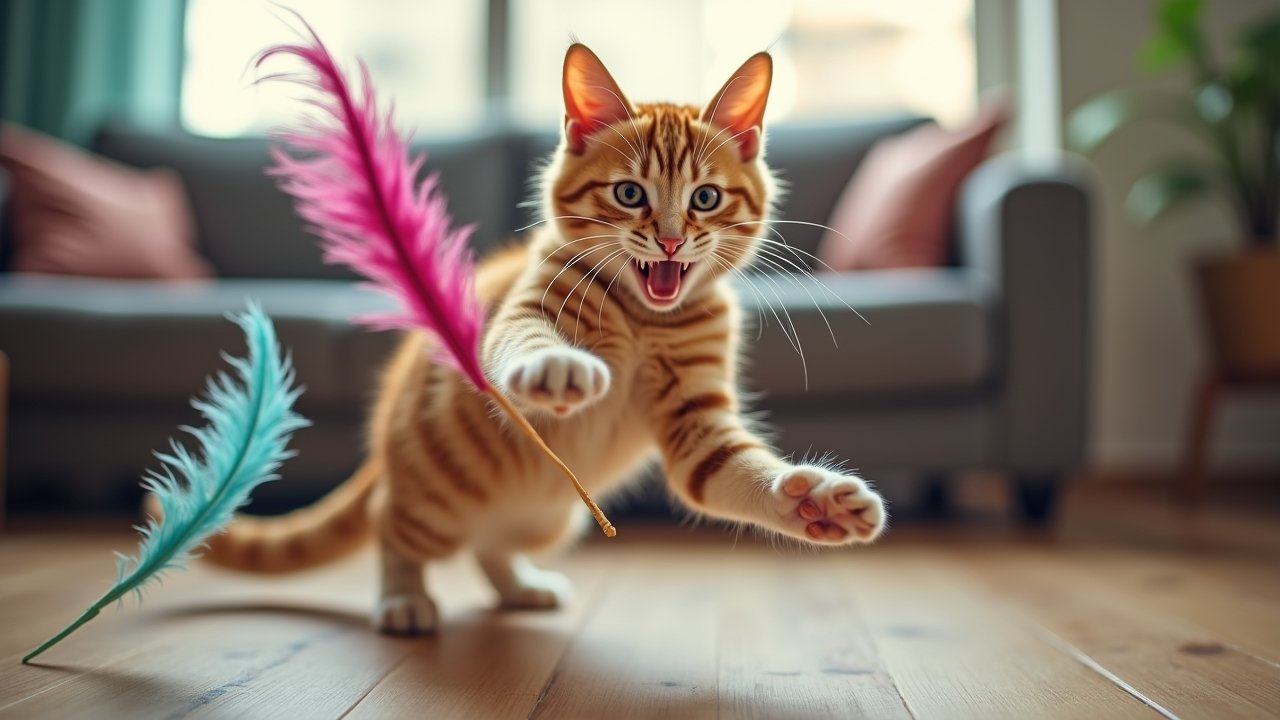
- Redirect with toys. Wand toys, feather teasers, and interactive cat toys put distance between your hands and those sharp teeth. This was a game changer for us.
- Freeze and withdraw. When Oliver bit me, I’d immediately stop moving my hand and go completely still. Movement excites predatory instincts, so going limp makes you boring.
- Walk away. If the biting continued, I’d calmly stand up and leave the room for about 30 seconds. No yelling, no drama. Cats learn pretty quick that biting ends the fun.
- Schedule regular play sessions. A bored cat is a bitey cat. I started doing two 15-minute play sessions daily, and the random attacks dropped dramatically.
- Never punish physically. Flicking a cat’s nose or spraying them with water can make play aggression worse because now they’re scared AND overstimulated. The Humane Society strongly advises against any form of physical punishment.
When Play Biting Might Be Something More
Sometimes what looks like play biting is actually overstimulation or even pain-related aggression. If your cat’s biting is accompanied by hissing, flattened ears, or a puffed-up tail, that’s not play anymore. That’s a cat saying “back off.”
If the biting seems sudden or out of character, a vet visit is worth it. Cats sometimes bite because something hurts, and they can’t exactly tell you about it in words.
Your Fingers Will Thank You Later
Look, dealing with cat biting during play takes patience. It took Oliver about three weeks to really get the message, and there was some backsliding along the way. But consistency is everything here — every single person in your household needs to follow the same rules.
Advertisements
Every cat is different, so feel free to adapt these tips to whatever works for your furry little monster. Just remember to always keep it positive and never resort to punishment. Your bond with your cat matters way more than a quick fix.
Want more tips on understanding your cat’s quirky behaviors? Head over to the Paws Primer blog for more guides that’ll help you and your feline live your best lives together!