What to Feed a Sick Cat: Lessons I Learned the Hard Way
Advertisements
Here’s something that scared me — did you know that a cat who stops eating for just 48 hours can start developing hepatic lipidosis, a potentially fatal liver condition? Yeah, that stat haunted me the first time my cat Oliver refused his dinner bowl two nights in a row. Figuring out what to feed a sick cat became my obsession overnight, and honestly, it’s one of those things every cat owner needs to know before the crisis hits.
I’ve been through this rodeo more times than I’d like to admit. Between Oliver’s chronic stomach issues and my older cat Biscuit’s kidney problems, I’ve basically earned an honorary degree in feline sick-day meals. So let me share what actually works — and what I wish someone had told me sooner.
Why Your Sick Cat Won’t Eat (And Why It Matters)
Cats are notoriously picky even on their best days. When they’re feeling under the weather — whether it’s an upper respiratory infection, digestive upset, or something more serious — their appetite is usually the first thing to go. The tricky part is that cats need to keep eating to maintain their energy and prevent that liver condition I mentioned.
I made the rookie mistake of just waiting it out when Oliver first got sick. “He’ll eat when he’s hungry,” I told myself. Spoiler: he didn’t, and we ended up at the emergency vet at 11 PM on a Tuesday. Not fun. Not cheap either.
The Best Foods for a Sick Cat
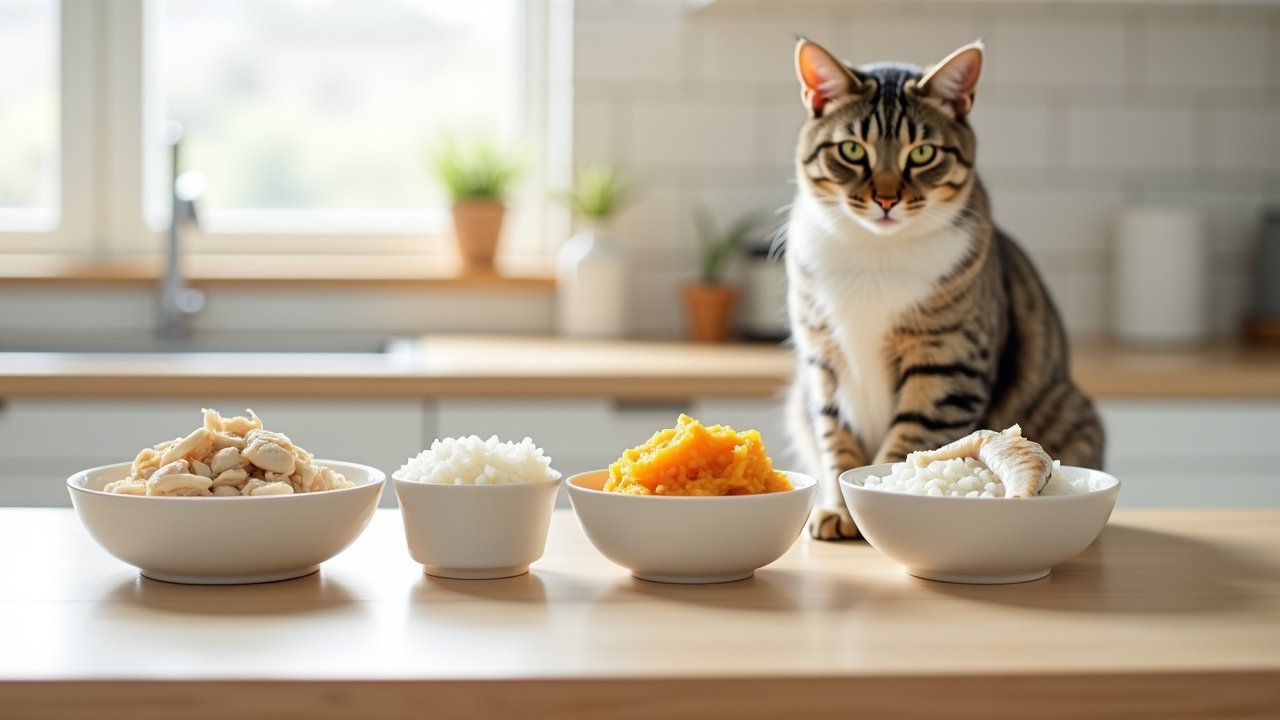
Alright, let’s get into the good stuff. When your cat is ill, you want foods that are easy to digest, highly palatable, and gentle on their stomach. Here’s what’s been recommended by vets and what’s actually worked in my house:
- Plain boiled chicken — Shredded into tiny pieces, no seasoning whatsoever. This has been my go-to for years. Oliver will sometimes eat this even when he refuses everything else.
- Meat-based baby food — Specifically the ones with no onion or garlic powder (those are toxic to cats). The ASPCA has a great list of foods to avoid.
- Warmed wet cat food — Heating it slightly releases the aroma, which can entice a cat whose nose is stuffy. Just microwave it for about 10 seconds.
- Bone broth (unseasoned) — A lifesaver for hydration and getting some nutrients in. Make sure its plain with no added salt, onions, or garlic.
- Prescription recovery diets — Brands like Hill’s a/d or Royal Canin Recovery are formulated specifically for sick cats. Your vet can recommend the right one.
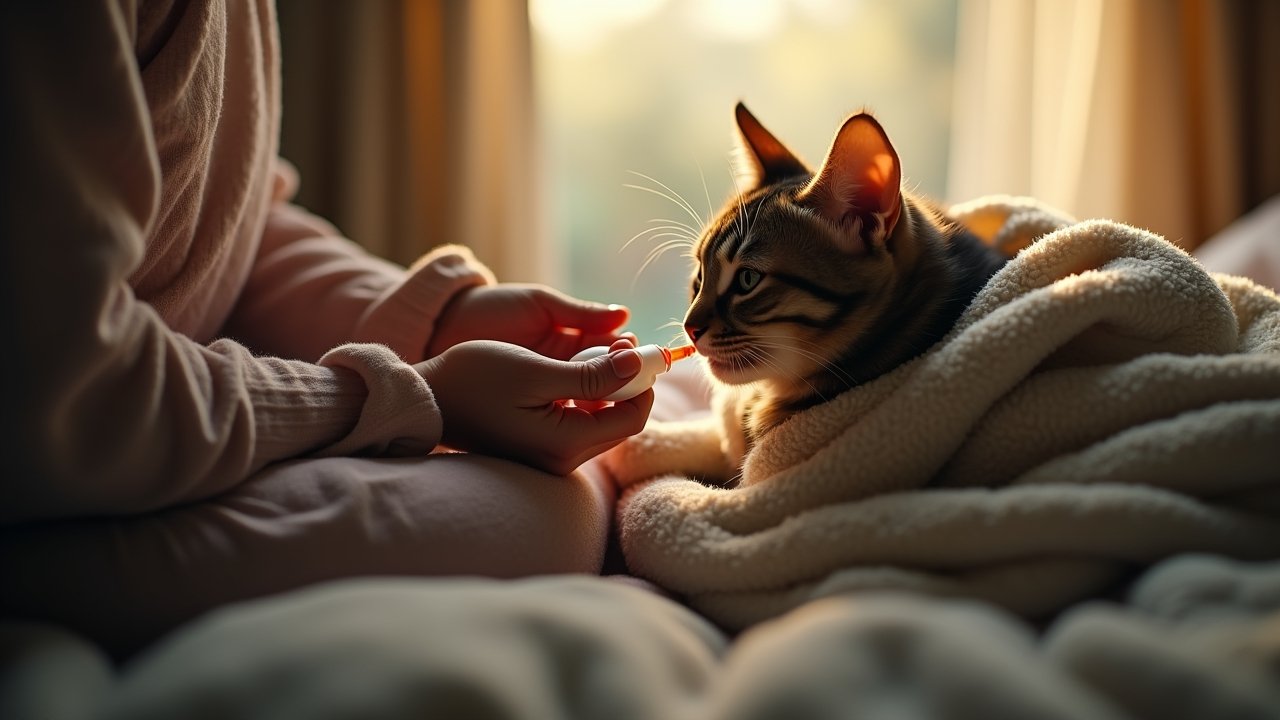
One thing I learned the hard way — never force-feed your cat without guidance from a vet. I tried syringe-feeding Oliver once and he aspirated a tiny bit of food into his lungs. Terrifying experience. If your cat is refusing all food, Cornell’s veterinary resources suggest contacting your vet within 24 hours.
Tricks That Actually Got My Cat to Eat
Sometimes it’s not just what you offer but how you offer it. I’ve picked up a few tricks over the years that have been absolute game-changers.
First, try putting a tiny smear of food on your cat’s paw. It sounds weird, I know. But cats instinctively lick their paws clean, and sometimes that first taste is enough to kickstart their appetite. Biscuit fell for this every single time.
Also, try offering small portions frequently rather than one big meal. A sick cat’s stomach can’t handle much at once. I’m talking a tablespoon every couple hours. And switch up the location — Oliver once started eating again simply because I moved his bowl to a quieter room away from the other cats. Go figure.
Foods You Should Never Give a Sick Cat
This part is critical, so please don’t skip it. Even with good intentions, some “home remedies” can make things way worse.
- Dairy products — most cats are actually lactose intolerant, despite what cartoons told us
- Raw eggs or raw meat — a sick cat’s immune system can’t fight off bacteria like salmonella
- Anything with onions, garlic, or chives
- Dog food — it lacks essential nutrients cats need, like taurine
Your Cat’s Counting on You
Look, knowing what to feed a sick cat isn’t just about picking the right food from a list. Every cat is different, and what works for Oliver might not work for yours. The important thing is to act quickly, stay calm, and keep your vet in the loop — especially if your cat hasn’t eaten in more than a day.
Always remember that this advice is a starting point, not a replacement for professional veterinary care. Trust your gut when something feels off. You know your cat better than anyone.
Advertisements
If you found this helpful, there’s plenty more where it came from! Head over to the Paws Primer blog for more practical tips on keeping your furry friends happy and healthy. Your cat will thank you — probably by ignoring you, but still.