Advertisements
Here’s a wild stat that blew my mind when I first heard it — dogs trained with a clicker learn new behaviors up to 50% faster than dogs trained without one. I remember reading that and thinking, “No way, it’s just a little plastic box.” But honestly? Getting into clicker training completely changed the game for me and my stubborn beagle, Hank. If you’re just getting started with clicker training for dogs as a beginner, trust me, you’re about to discover one of the most rewarding ways to communicate with your pup!
What Even Is Clicker Training?
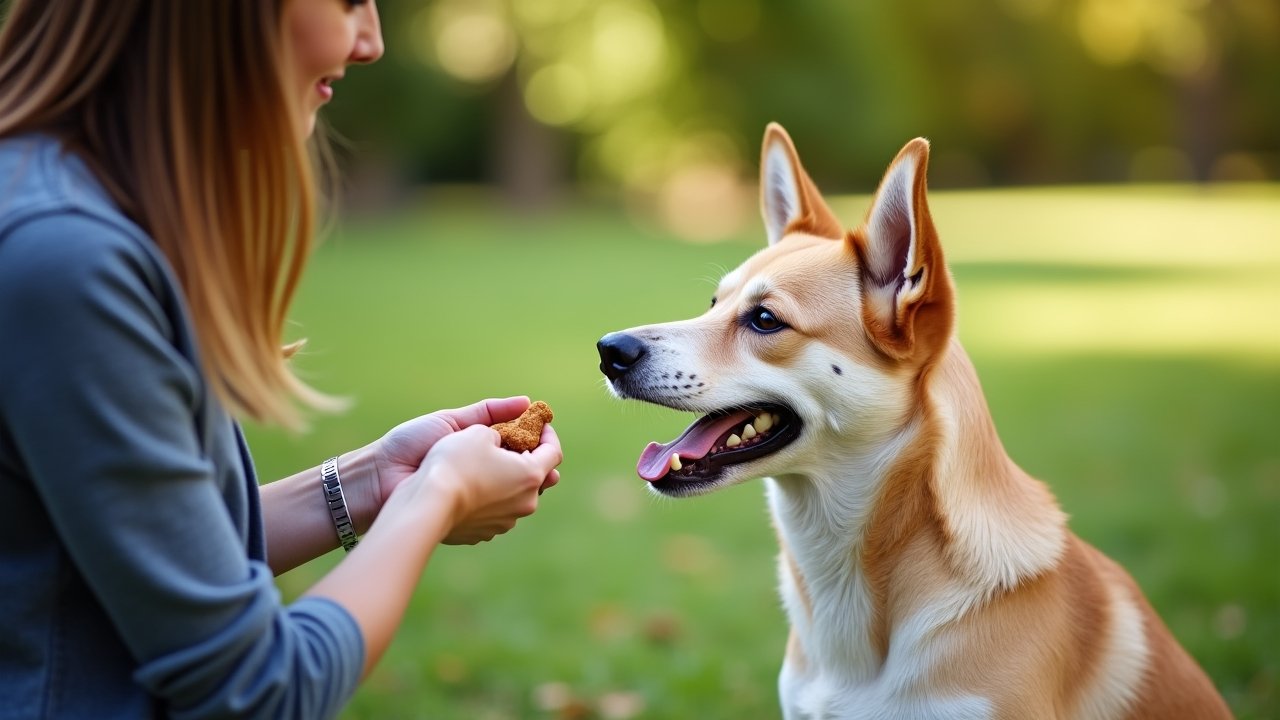
Okay so clicker training is basically a form of positive reinforcement training that uses a small handheld device that makes a sharp “click” sound. The click marks the exact moment your dog does something right, and then you follow it up with a treat. It’s rooted in something called operant conditioning, which sounds super fancy but really just means your dog learns to repeat behaviors that earn them good stuff.
Think of the clicker as a tiny camera that takes a snapshot of the behavior you want. The sound is way more precise than saying “good boy” because, let’s be real, we say that like 400 times a day for no reason. The clicker cuts through the noise and tells your dog, “THAT — that thing you just did — is what I want.”
Getting Your Gear Together
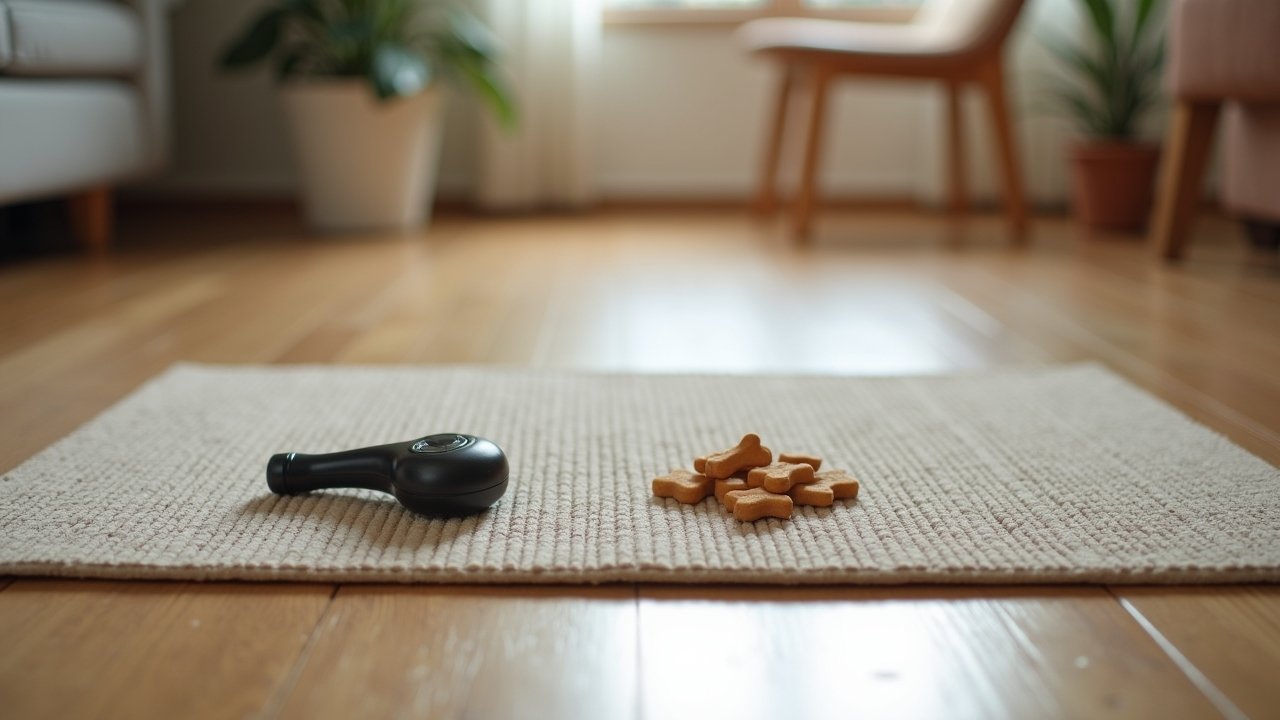
You don’t need much to start, which is part of why I love this method. Here’s what I grabbed when I was a total beginner:
- A basic box clicker or button clicker (I started with a cheap pack from Amazon — like three bucks)
- High-value training treats — small, soft, and smelly works best
- A treat pouch so you’re not fumbling around in your pockets
- Patience (seriously, stock up on this one)
One mistake I made early on was using treats that were way too big. Hank would spend like 30 seconds chewing each one and totally lose focus. You want pea-sized pieces so the reward is quick and you can keep the momentum going.
Step One: “Charging” the Clicker
Before you even try teaching a single command, you gotta charge the clicker. This just means helping your dog understand that click equals treat. It’s the foundation of everything.
Sit somewhere quiet with your dog and a handful of treats. Click, then immediately give a treat. Repeat this about 15-20 times. Don’t ask your dog to do anything — you’re just building that association in their brain. After a couple short sessions, you’ll notice your dog’s ears perk up the second they hear that click. That’s when you know it’s working and honestly it feels like a little victory.
Teaching Your First Behavior
I’d recommend starting with “sit” because most dogs kinda do it naturally. Hold a treat above your dog’s nose and slowly move it back over their head. Their butt will hit the ground — the second it does, click and treat.
Here’s where I messed up big time with Hank. I was clicking too late. Like, he’d sit, then stand back up, and THEN I’d click. So basically I was rewarding him for standing. Timing is everything in clicker training — the AKC recommends clicking within one to two seconds of the desired behavior. Once I tightened up my timing, things started clicking — pun absolutely intended.
Common Beginner Mistakes (I Made Them All)
Let me save you some headaches. Training sessions that are too long will burn your dog out. Keep them to about 5-10 minutes max. Also, don’t repeat the verbal cue over and over — saying “sit sit sit SIT” just teaches your dog to ignore you until you sound desperate.
Another thing — don’t use the clicker to get your dog’s attention. It’s not a summons, it’s a marker. I accidentally did this a few times and confused poor Hank something awful. And please, always follow a click with a treat. Even if you clicked by accident. Breaking that promise breaks the trust you’ve been building.
Your Dog’s Journey Starts With One Click
Look, clicker training for beginners might feel a little awkward at first. You’re juggling a clicker, treats, a leash, and a dog who’s looking at you like you’ve lost it. But stick with it. The bond you’ll build through this kind of reward-based dog training is something really special. Every dog learns at their own pace, so adjust these tips to fit your pup’s personality and energy level.
Advertisements
Always keep it fun and never punish your dog for not getting it right away — they’re trying their best. If you want more beginner-friendly training tips, obedience guides, and honest dog parenting advice, head over to Paws Primer and explore what we’ve got. There’s a whole world of content waiting for you and your four-legged bestie!