Why Does My Cat Eat Grass? I Finally Figured It Out
Advertisements
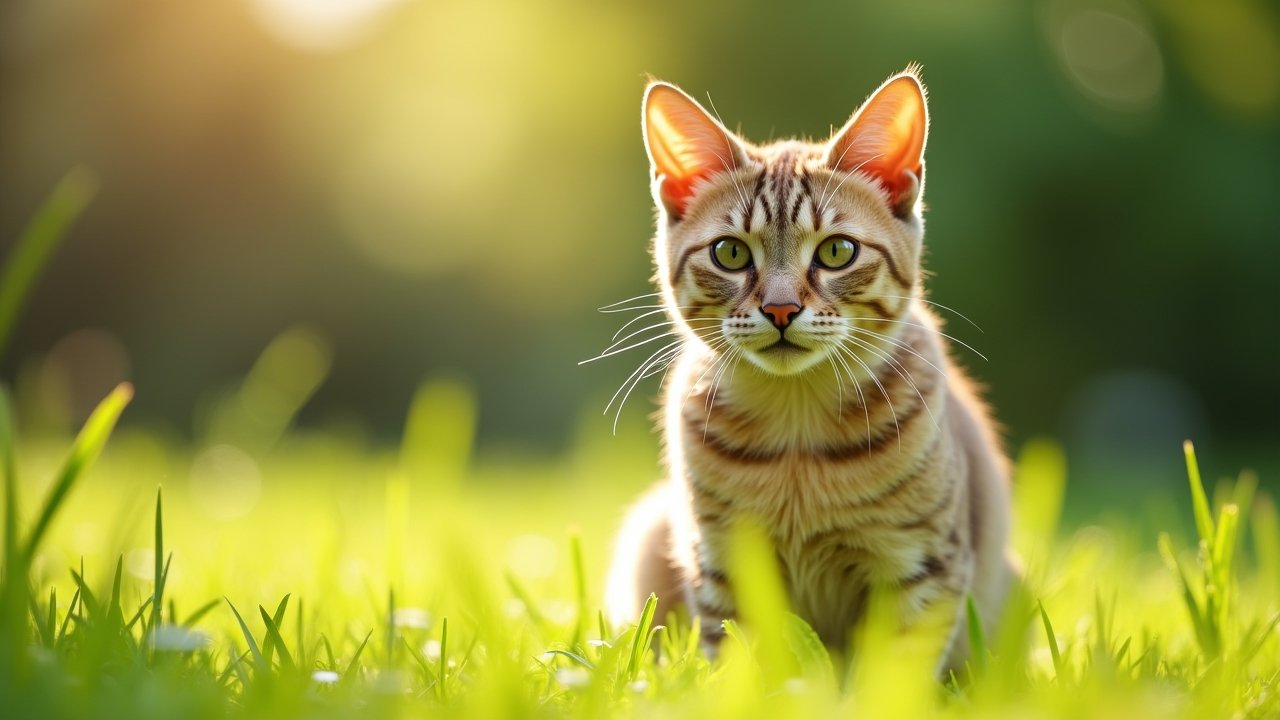
Here’s a fun fact that blew my mind: nearly 70% of cats munch on grass regularly, according to a study published in the journal Animals. Seventy percent! So if you’ve been staring out the window watching your cat chomp down on your lawn like a tiny furry cow, you’re definitely not alone. I remember the first time I caught my cat, Oliver, going to town on a patch of grass in the backyard — I honestly panicked and called the vet thinking he was sick or something.
Turns out, cats eating grass is way more common than most of us realize, and understanding why they do it can actually help you be a better cat parent. So let’s get into it, because I’ve spent an embarrassing amount of time researching this topic.
It’s Basically Nature’s Stomach Reset Button
Okay so the most widely accepted reason cats eat grass is to help them vomit. Yeah, gross, I know. But hear me out — cats can’t digest grass properly, and when they eat it, the blades irritate their stomach lining which triggers them to throw up.
Why would they want to throw up though? Well, cats are notorious groomers and they swallow a ton of fur. That fur builds up into hairballs, and sometimes eating grass helps them expel all that nasty stuff. Oliver used to get hairballs like once a week before I figured out a better grooming routine, and every single time he’d go straight for the grass first.
Think of it as your cat’s natural way of clearing out their digestive system. It’s been observed in wild cats too — so this behavior is deeply instinctual and not something you trained them to do wrong.
They Might Actually Need the Nutrients
This one surprised me honestly. Grass contains folic acid, which is a B vitamin that helps with oxygen movement in the bloodstream. Some vets believe cats instinctively seek out grass when they’re low on certain nutrients, especially folic acid.
Now I’m not saying your cat is out there doing complex nutritional math. But animals are pretty smart about listening to their bodies. If your cat’s diet is missing something, their instincts might just push them toward that little green salad bar in your yard.
Boredom and Anxiety Are Real Culprits Too
Here’s something I learned the hard way. When I moved apartments a few years back, Oliver started eating grass obsessively — like way more than usual. I took him to the vet and everything checked out fine physically.
Turns out he was just stressed from the move. Cats sometimes engage in repetitive behaviors like grass eating when they’re anxious or bored. Indoor cats especially might nibble on houseplants or any greenery they can find just because they need stimulation. If you notice a sudden increase in grass consumption, it might be worth evaluating whether something in their environment has changed.
When You Should Actually Worry
So most of the time, grass eating is totally harmless. But there are a few red flags you gotta watch for.
- If your cat is eating grass and vomiting excessively — like multiple times a day — something else might be going on
- Watch out for toxic plants that your cat might confuse with regular grass
- Grass treated with pesticides, herbicides, or fertilizers can be seriously dangerous
- If your cat seems lethargic or stops eating their regular food, call the vet immediately
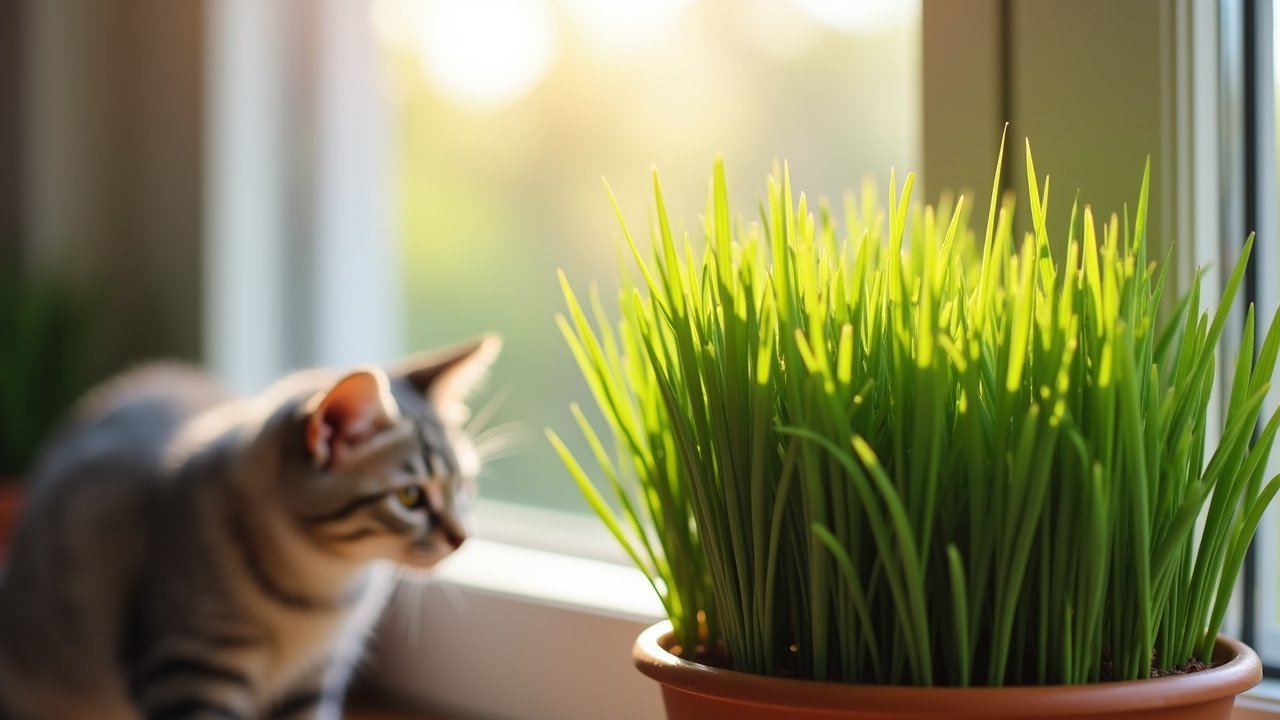
One thing I started doing was growing cat grass indoors — it’s basically wheatgrass or oat grass that’s completely safe. It gave Oliver his fix without me worrying about chemicals on the lawn. Honestly, best $5 I ever spent at the garden store.
The Bottom Line on Your Little Grass Monster
Look, your cat eating grass is almost always normal behavior that’s been hardwired into them for thousands of years. Whether it’s for digestive relief, nutritional needs, or just because they’re a little bored, it’s usually nothing to lose sleep over. The key is making sure the grass they’re eating is safe and chemical-free.
Advertisements
Every cat is different though, so pay attention to your specific furball’s habits and adjust accordingly. And if something feels off, never hesitate to consult your veterinarian — that’s what they’re there for. Want to learn more about understanding your cat’s quirky behaviors? Head over to Paws Primer where we break down all sorts of pet parent mysteries — because trust me, grass eating is just the tip of the iceberg!