
Cat Hairballs: What Owners Should Know Before Panicking at 3 AM
Advertisements
Here’s a fun stat for you — the average indoor cat can produce anywhere from one to four hairballs per month. I learned that the hard way when my tabby, Oliver, decided to leave a lovely surprise right on my laptop keyboard. Twice in one week!
Look, if you’re a cat parent, hairballs are basically part of the deal. But understanding cat hairballs and what owners should know about them can genuinely save you stress, money, and maybe even your cat’s life. So let’s get into it, because I wish someone had told me all this years ago.
What Even Is a Hairball, Really?
Okay so technically, the fancy term is trichobezoar. Sounds like a dinosaur, right? It’s basically a clump of fur that accumulates in your cat’s stomach because they swallow loose hair during grooming.
Cats have those tiny backward-facing barbs on their tongues called papillae, and those little hooks are amazing for grooming but terrible for letting hair pass through smoothly. Most of the swallowed fur does travel through the digestive tract just fine. But sometimes it builds up and, well, your cat hacks it right back up onto your favorite rug.
And no, they’re not actually ball-shaped — they usually come out looking more like a soggy cigar. Delightful, I know. The Cornell Feline Health Center has a great breakdown of the anatomy behind it all if you want the science-y details.
When Should You Actually Worry?
This is the part I messed up on early. I figured every cough and gag was just a normal hairball thing. Turns out, frequent vomiting or retching without producing a hairball can signal something more serious like an intestinal blockage or inflammatory bowel disease.
Here are some red flags you should never ignore:
- Repeated gagging or hacking with no hairball produced
- Loss of appetite lasting more than a day
- Lethargy or unusual hiding behavior
- Constipation or diarrhea that won’t quit
- A swollen or tender belly
If you notice any of those, please get to your vet. A blockage from a hairball can actually become life-threatening and might require surgery. The ASPCA lists hairball complications among common feline health concerns worth monitoring.
Simple Ways to Reduce Hairballs at Home
After Oliver’s third vet visit in one year — yeah, my wallet was not happy — I finally got serious about prevention. And honestly, the fixes were way simpler than I expected.
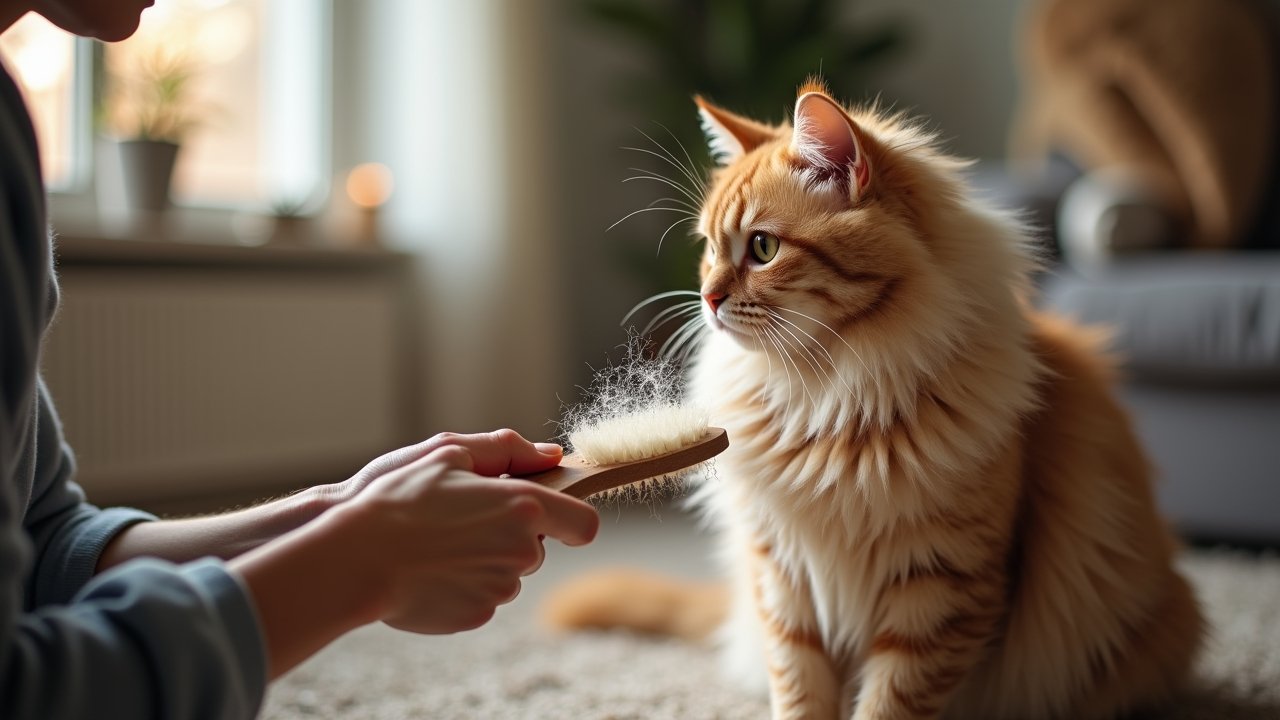
Brush your cat regularly. I’m talking every day for long-haired breeds and a few times a week for short-haired cats. I started using a deshedding tool on Oliver and the difference was night and day. Less loose fur swallowed means fewer hairballs on my pillows.
Switch up their diet. There are cat foods specifically formulated for hairball control that include higher fiber content to help move fur through the digestive system. I was skeptical at first but it actually worked pretty well. You can also add a tiny bit of plain canned pumpkin to their food — not the pie filling though, just pure pumpkin.
Try a hairball remedy paste. Products like Laxatone act as mild lubricants to help hair pass through the gut more easily. Oliver thinks it’s a treat, which is a win-win honestly.
Advertisements
Keep them hydrated. A water fountain was one of the best purchases I ever made. Cats are notoriously bad drinkers and proper hydration helps everything move along smoothly in their system.
Long-Haired Cats Have It Rough
Quick side note — if you have a Persian, Maine Coon, or any long-haired breed, hairballs are gonna be a bigger part of your life. It’s just math. More fur equals more swallowed hair equals more hairballs.
My friend adopted a gorgeous Himalayan and was completely blindsided by how often that cat produced hairballs. Daily grooming sessions basically became non-negotiable for her. So if your considering a long-haired breed, just mentally prepare yourself for the extra maintenance.
Your Cat’s Counting on You
At the end of the day, cat hairballs are mostly a normal part of feline life — but they don’t have to be a constant battle. A little prevention goes a seriously long way. Regular grooming, the right diet, proper hydration, and knowing when to call your vet can make all the difference for your furry friend.
Every cat is different though, so don’t be afraid to experiment and find what works best for yours. And always, always trust your gut if something feels off — your vet is there to help, not judge you for worrying too much.
Want more practical tips for keeping your cat happy and healthy? Head over to the Paws Primer blog for more guides, advice, and the occasional cat parent confession. We’ve all been there!