
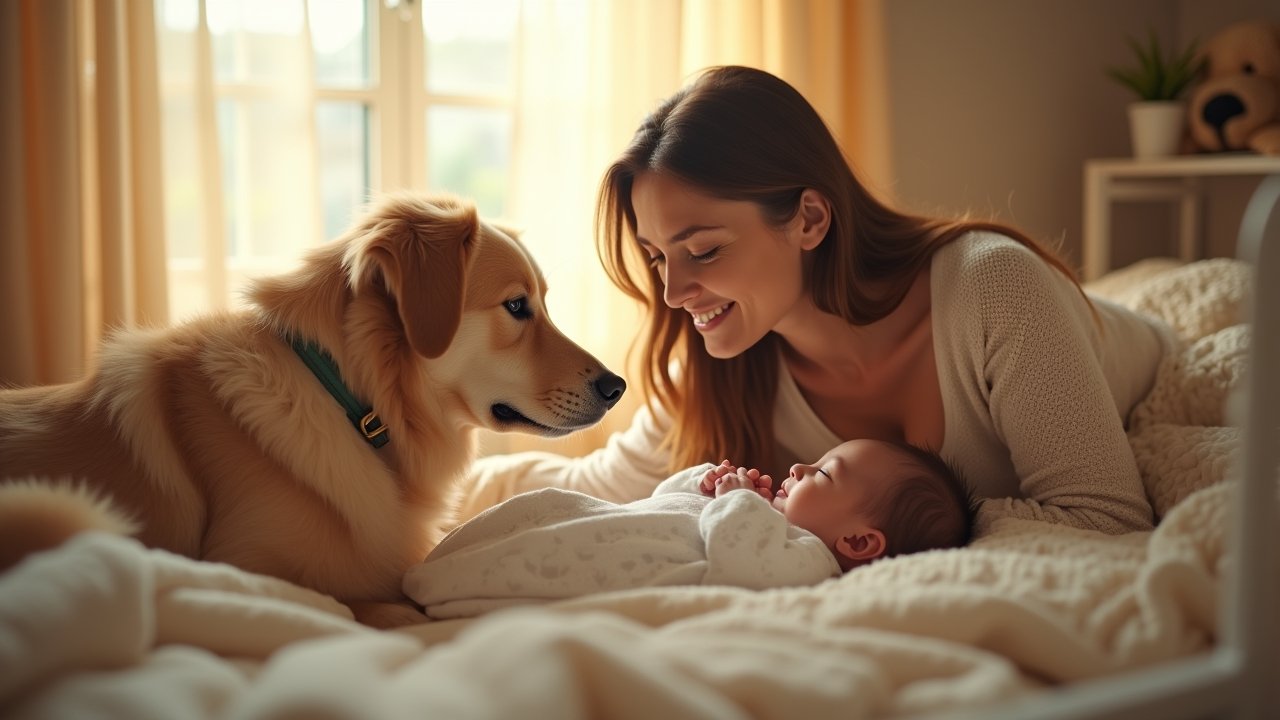
How to Introduce Your Dog to a New Baby (Without Losing Your Mind)
Advertisements
Here’s a stat that honestly shook me: according to the American Veterinary Medical Association, over 4.5 million dog bites happen every year in the U.S., and kids are the most common victims. Scary, right? But here’s the thing — most of those incidents are totally preventable. When I found out my wife was pregnant with our first, I was terrified about how our dog, a stubborn but lovable Boxer named Tank, would handle the whole situation. Introducing a dog to a new baby is one of those things nobody really prepares you for, and I made plenty of mistakes along the way.
Start Preparing Your Dog Before the Baby Arrives
This is where I messed up big time. I waited until like two weeks before my wife’s due date to even think about dog preparation. Don’t be me. Ideally, you want to start adjusting your dog’s routine at least three to four months before the baby comes home.
Begin by gradually changing your dog’s schedule so it won’t feel like everything flipped overnight. If your pup is used to getting walks at a certain time, slowly shift things around. We also started playing recordings of baby sounds — crying, cooing, all that stuff — at low volume so Tank could get used to it. The ASPCA has a great guide on this that I wish I’d found sooner.
Another thing that really helped was setting up the nursery early. Let your dog sniff around the crib, the changing table, all the new baby gear. But also establish boundaries — we taught Tank that the nursery was a “calm zone” only, and honestly it took a few weeks of consistent reinforcement before he stopped barreling in there like a maniac.
The First Introduction Is Everything
Okay so the day we brought our daughter home was pure chaos. My heart was pounding. Tank was losing his mind at the front door because we’d been gone for two days at the hospital.
Here’s what actually worked for us: my wife stayed in the car with the baby while I went inside first to greet Tank and burn off some of his crazy energy. We did a quick walk around the block, just him and me. By the time we got back he was way calmer.
Then we did the actual meeting. I kept Tank on a loose leash while my wife sat on the couch holding our daughter. We let him approach slowly and sniff her feet — not her face, that’s super important. Some trainers recommend bringing home a blanket with the baby’s scent on it before the actual introduction, which is honestly genius. We didn’t do that and I kinda regret it.
Manage Those First Few Weeks Carefully
The initial weeks were exhausting. Like, I cannot stress this enough. You’re sleep-deprived, the baby’s crying constantly, and your dog is confused about why this tiny loud human has invaded their territory.
One mistake I see people make — and I was guilty of this too — is completely ignoring the dog once the baby arrives. Your dog needs to feel like they still matter. Try to maintain some one-on-one time, even if it’s just a ten-minute game of fetch in the backyard. We also made sure to give Tank treats and praise whenever the baby was nearby, so he’d start associating her presence with positive things.
- Never leave your dog and baby alone unsupervised, not even for a second
- Reward calm behavior around the baby with treats and affection
- Give your dog a safe retreat space where they can escape when overwhelmed
- Watch for stress signals like lip licking, yawning, or whale eye
- Keep up with your dog’s exercise routine to prevent anxiety buildup
When to Call In Professional Help
Look, there’s no shame in hiring a certified dog behaviorist if things aren’t going smoothly. If your dog is showing signs of aggression — growling, snapping, resource guarding around the baby — please don’t try to tough it out on your own. The AKC’s trainer directory is a solid place to start looking for qualified professionals near you.
Your Family Will Figure This Out
Introducing a dog to a new baby feels overwhelming, but it’s absolutely doable with patience and preparation. Every dog is different, so take these tips and adjust them to fit your pet’s personality and your family’s situation. Safety always comes first — never skip supervision, no matter how gentle your dog seems. Tank and my daughter are best friends now, and seeing them together makes all those stressful early days worth it. If you’re looking for more tips on navigating life with pets, head over to Paws Primer where we cover all sorts of stuff like this!