Senior Cat Care Guide: Everything I Wish I Knew Before My Cat Turned 11
Advertisements
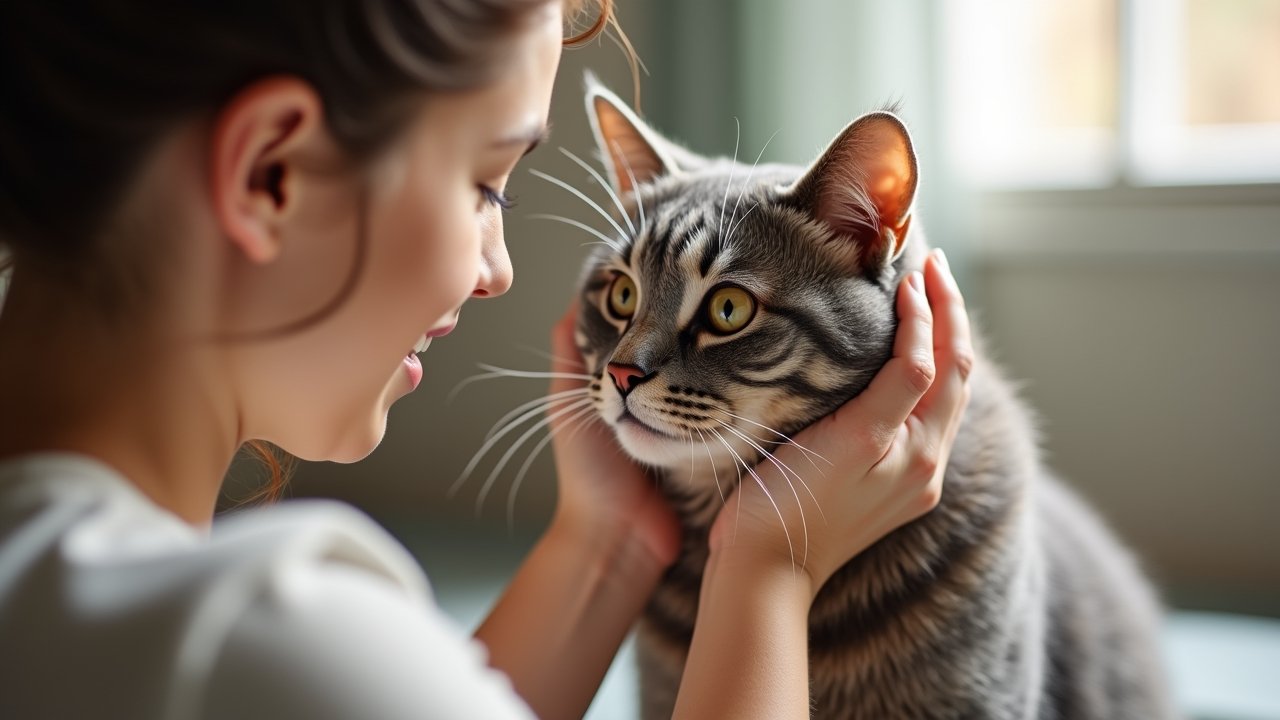
Here’s a stat that honestly blew my mind — cats are considered “senior” once they hit about 11 years old, and by 15 they’re classified as “geriatric.” When my tabby, Mango, crossed that 11-year threshold, I figured she was just a chill adult cat who liked napping more than usual. Turns out, I was dead wrong, and I missed some early signs that could’ve saved me a lot of worry (and vet bills). If you’re living with an aging feline, this senior cat care guide is the one I wish somebody had handed me years ago!
Recognizing the Signs of Aging in Cats
The tricky thing about cats is that they’re masters at hiding pain. Like, absolute pros. Mango had been dealing with early-stage arthritis for probably months before I noticed she stopped jumping onto her favorite windowsill.
Some common signs of aging in cats include weight loss or gain, changes in appetite, increased thirst, and litter box issues. You might also notice your older cat sleeping way more than usual, or becoming more vocal at night. According to Cornell University’s Feline Health Center, behavioral changes are often the first clue that something medical is going on.
If your cat’s personality suddenly shifts — like a social butterfly becoming a total recluse — don’t just chalk it up to “getting old.” That was my mistake with Mango, and I regret not acting sooner.
Vet Visits: Twice a Year Is Non-Negotiable
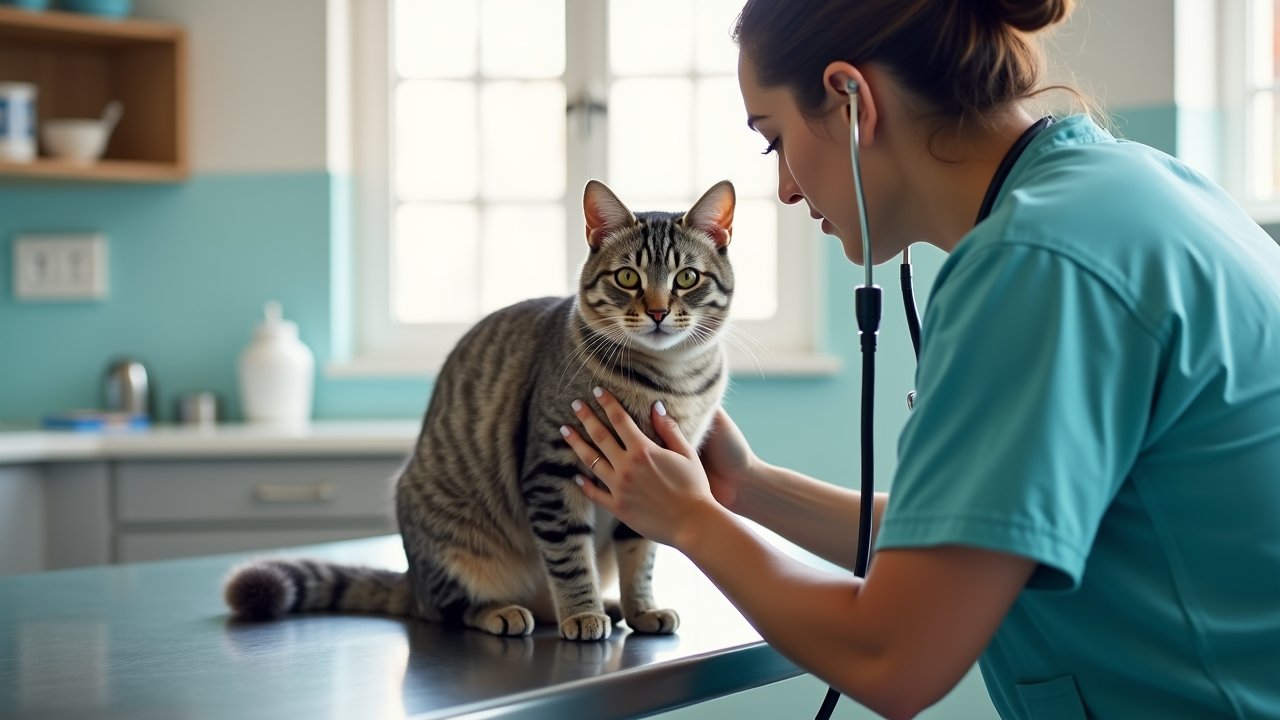
I used to be a once-a-year vet visit kind of person. But once your cat enters their senior years, the AVMA recommends bumping that up to twice annually. Senior cats can develop conditions like kidney disease, hyperthyroidism, and diabetes pretty quickly, and catching them early makes a huge difference.
During Mango’s senior wellness exam, the vet caught elevated kidney values that I never would have noticed at home. Blood work, urinalysis, and blood pressure checks become really important for elderly cats. Yeah, it costs more — but honestly, it’s cheaper than emergency care down the road.
Adjusting Their Diet for Aging Bodies
Okay so this is where I kinda messed up. I kept feeding Mango the same adult cat food she’d been eating for years, thinking food is food, right? Nope. Senior cat nutrition is a whole different ballgame.
Older cats often need food with higher protein levels to maintain muscle mass, along with controlled phosphorus for kidney support. Some cats need fewer calories because they’re less active, while others actually need more because they’re not absorbing nutrients as efficiently. I’d recommend talking to your vet before switching foods — what worked for Mango might not work for your cat.
Wet food became a game-changer for us since it helped with hydration. Senior cats are notorious for not drinking enough water, and dehydration can be seriously dangerous for aging kidneys.
Making Your Home Senior-Cat Friendly
This is something nobody really talks about enough. Environmental modifications can make a massive difference in your senior cat’s quality of life. Here’s what worked for us:
- Added pet stairs near the bed and couch so Mango didn’t have to jump
- Switched to a low-entry litter box because her arthritis made climbing painful
- Placed food and water bowls on every floor of the house
- Got an orthopedic cat bed — she practically lives in it now
- Kept nightlights on since her vision was getting worse
Small changes, but man, the difference in her comfort level was obvious almost immediately. She started being more active and social again, which honestly made me tear up a little.
Don’t Forget Mental Stimulation
Just because a cat is old doesn’t mean they don’t need enrichment. Cognitive decline in senior cats is a real thing — sometimes called feline cognitive dysfunction — and keeping their brains engaged helps slow it down. Gentle play sessions, puzzle feeders, and even just rotating toys can help.
Advertisements
Mango won’t chase a laser pointer like she used to, but she goes absolutely nuts for crinkle balls rolled slowly across the floor. You just gotta meet them where they are.
Your Senior Cat Deserves the Best Chapter Yet
Caring for an aging cat isn’t always easy, and it sometimes feels overwhelming when the vet appointments pile up and the dietary needs change. But these golden years can genuinely be some of the sweetest, most bonded time you spend with your feline companion. Every cat is different, so customize this advice to fit your specific situation — and always loop your veterinarian into major decisions.
Above all, be patient and pay attention. Your senior cat is counting on you to advocate for their comfort and health. If you found this helpful and want more tips on keeping your furry friends happy at every life stage, head over to the Paws Primer blog — we’ve got tons of resources waiting for you and your whiskered companion!