Constipated Cat Home Remedies That Actually Worked for My Furry Potato
Advertisements
Here’s a fun stat for you — nearly 35% of cats will deal with constipation at some point in their lives. I know this because my vet told me while I stood there panicking over my cat, Mochi, who hadn’t pooped in three days. Three whole days! If you’ve ever watched your cat strain in the litter box with nothing to show for it, you know that gut-wrenching feeling of helplessness.
Cat constipation is more common than most people think, and honestly, it can spiral into something serious if you ignore it. So let me walk you through the constipated cat home remedies that actually helped Mochi — and a few mistakes I made along the way so you don’t have to repeat them.
How I Knew Mochi Was Constipated
Before you start trying remedies, you gotta make sure constipation is actually the problem. Mochi was visiting the litter box way more than usual but producing tiny, hard, dry stools — or nothing at all. She was also weirdly vocal about it, meowing like she was filing a formal complaint.
Other signs of constipation in cats include loss of appetite, lethargy, and sometimes even vomiting. If your cat hasn’t pooped in more than 48 hours or you notice blood in the stool, skip the home remedies and head straight to the vet. The ASPCA has a great resource on recognizing when things are getting serious.
Increase Their Water Intake (Seriously, This Is Huge)
Dehydration is one of the biggest causes of feline constipation, and I was totally guilty of not paying attention to how much water Mochi was drinking. Switching from dry kibble to wet cat food was a game changer — it literally adds moisture directly into their diet. I also started adding a tablespoon of warm water to her wet food, and she didn’t even notice.
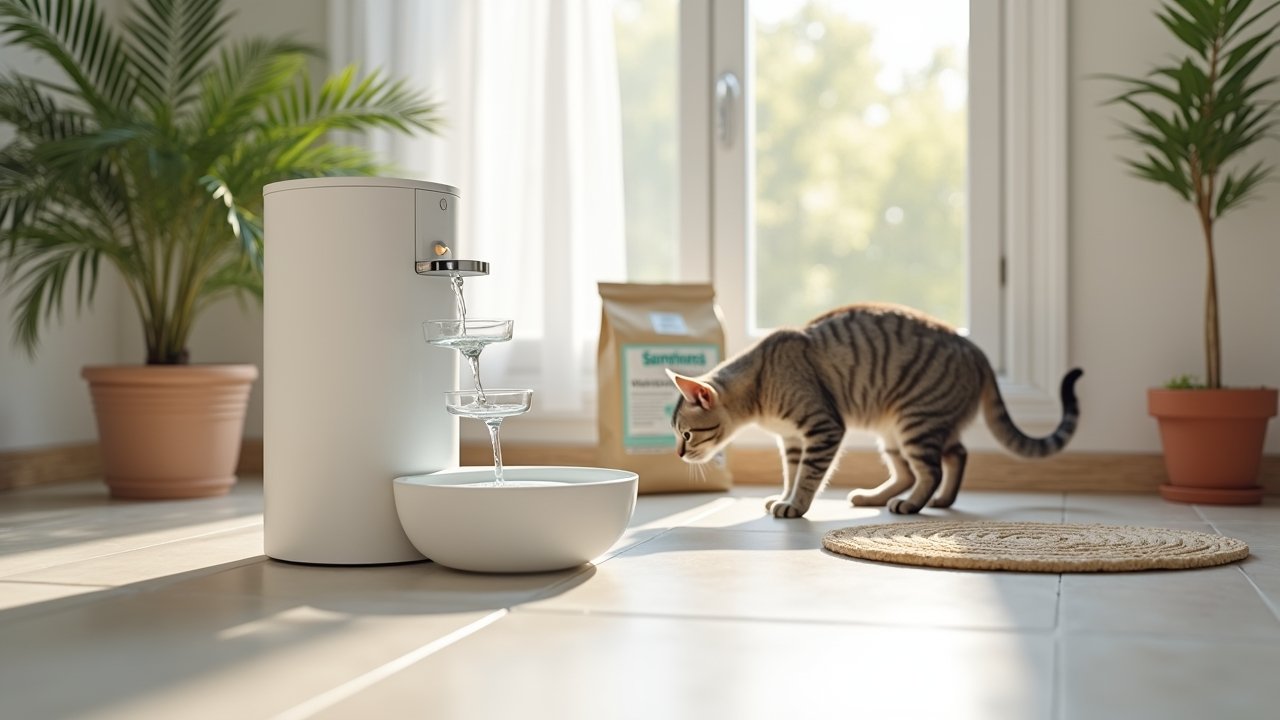
Another trick? Get a cat water fountain. Cats are weirdly picky about still water, and a fountain encourages them to drink more. Mochi went from barely sipping to actually hydrating like a responsible adult cat.
The Pumpkin Trick That Everyone Talks About
Okay so you’ve probably heard this one before, but plain canned pumpkin genuinely works as a natural cat laxative. Not pumpkin pie filling — that stuff has sugar and spices that are bad for cats. Just plain, pure pumpkin puree. I mixed about half a teaspoon into Mochi’s food, and within a day or so, things started… moving again.
Pumpkin is packed with fiber for cats, which helps bulk up the stool and makes it easier to pass. The Cornell University College of Veterinary Medicine has confirmed that dietary fiber can be really beneficial for digestive health in cats. Start small though — too much fiber can actually make things worse.
A Little Olive Oil Goes a Long Way
This one I stumbled onto by accident. I was cooking dinner and Mochi licked some olive oil off my finger. Turns out, a small amount of olive oil for cat constipation — like half a teaspoon mixed into food — can act as a mild lubricant for the digestive tract.
Don’t overdo it though. I made that mistake once, gave her too much, and let’s just say… the litter box situation went from one extreme to the other real fast. A little goes a long way with this remedy.
Get Them Moving
Exercise and physical activity can stimulate a cat’s bowels — who knew, right? I started doing more interactive play sessions with Mochi using a feather wand, and it honestly seemed to help. Even 10 to 15 minutes of running around can get things going internally.
Sedentary indoor cats are especially prone to constipation, so if your kitty is a certified couch potato like mine was, this is worth trying.
When Home Remedies Aren’t Enough
Advertisements
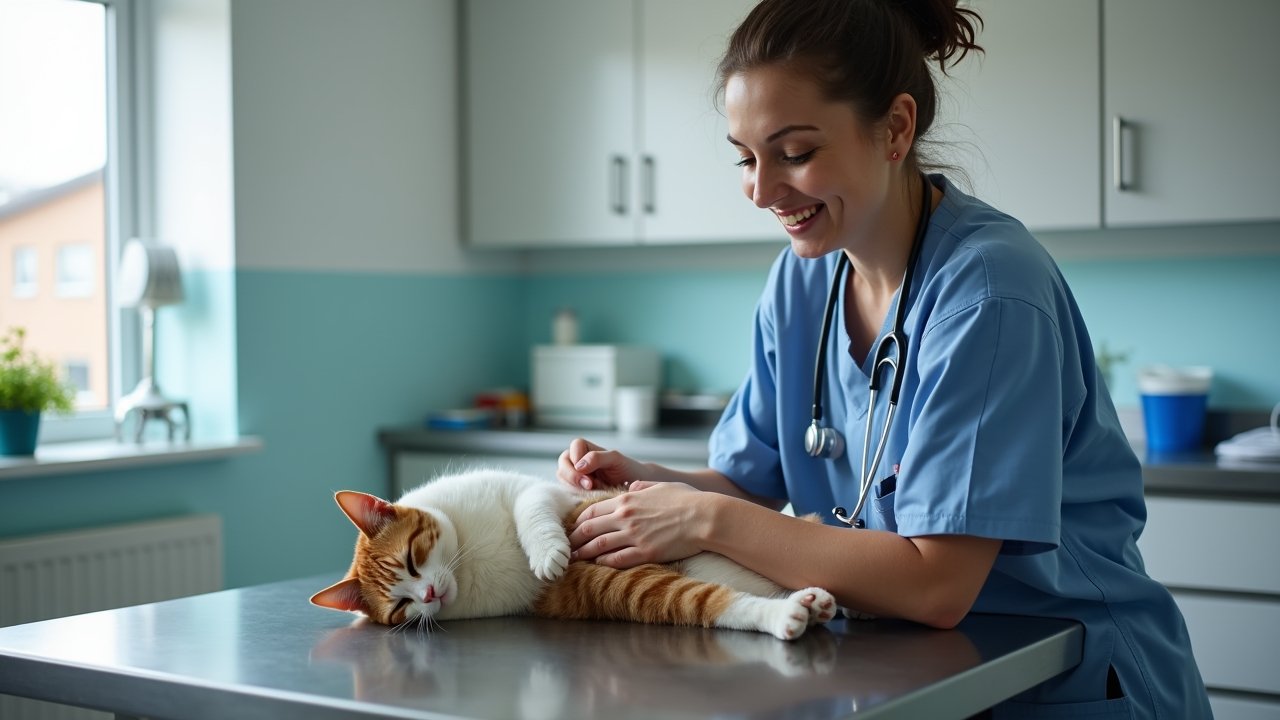
Look, I’m all for trying natural remedies for cat constipation at home first. But please, please know your limits. If your cat is straining for more than two days, seems to be in pain, or stops eating entirely, it’s vet time. Chronic constipation can lead to megacolon, which is as scary as it sounds and sometimes requires surgery.
Your vet might recommend a cat-safe laxative like Miralax (under veterinary guidance only!) or even an enema in severe cases. Never, ever give your cat a human laxative or enema without talking to a professional first.
Your Cat’s Gut Will Thank You
Dealing with a constipated cat is stressful, but most of the time it can be managed at home with some simple adjustments. More water, a bit of pumpkin, gentle exercise, and keeping an eye on their litter box habits can make a world of difference. Every cat is different though, so what worked for Mochi might need tweaking for your furbaby.
Always prioritize your cat’s safety and comfort, and don’t hesitate to call the vet if something feels off. And hey, if you found this helpful, come check out more tips and guides over at Paws Primer — we’ve got tons of posts to help you keep your cat happy, healthy, and pooping on schedule!