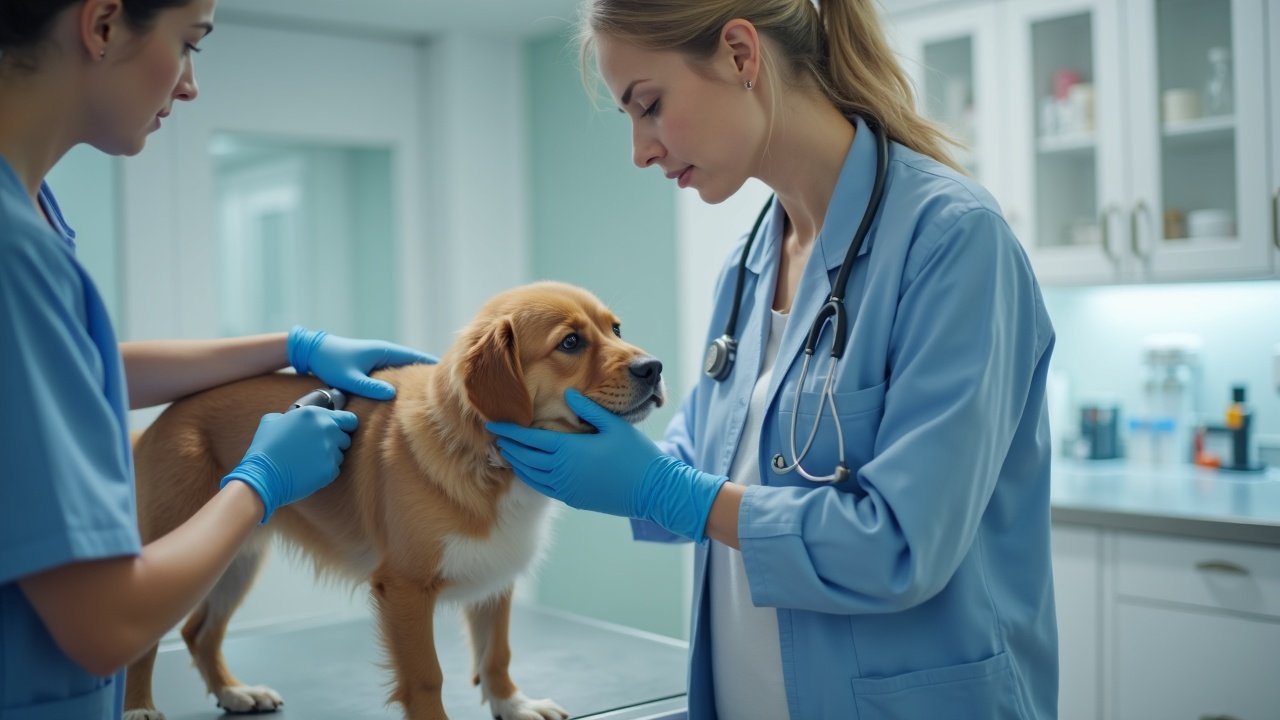
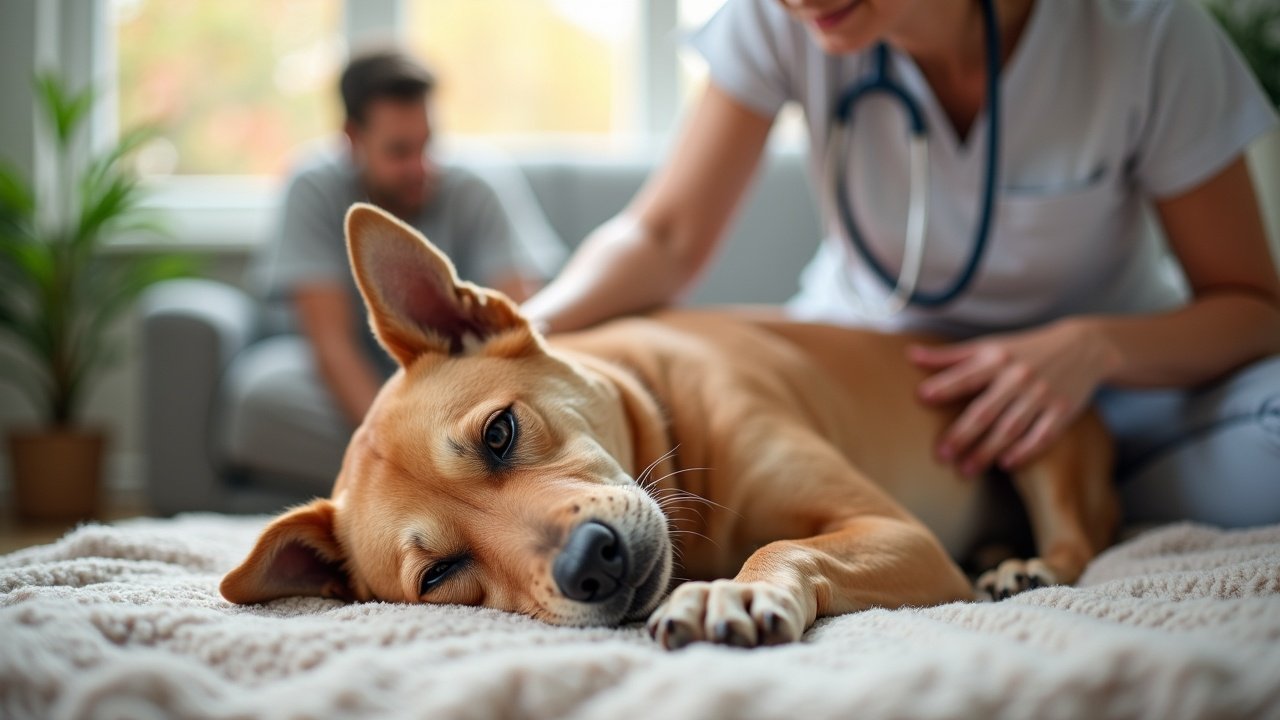
How to Check Your Dog for Lumps and Bumps (Before You Panic Like I Did)
Advertisements
Here’s a stat that honestly shook me — according to the American Veterinary Medical Association, roughly 1 in 4 dogs will develop some form of cancer during their lifetime. Wild, right? I found my first lump on my dog, Cooper, while giving him a lazy belly rub on the couch, and I absolutely spiraled into a Google rabbit hole at 11 PM.
Turns out, that lump was just a fatty lipoma — completely harmless. But the experience taught me something super important: learning how to check your dog for lumps and bumps regularly can literally save their life. Early detection is everything, and honestly, it takes like five minutes once you know what you’re doing!
Why You Should Be Checking Your Dog Regularly
Dogs can’t exactly tell us when something feels off. They’re stoic little creatures, and by the time they show obvious symptoms, things might have already progressed. That’s why a regular at-home skin check is so crucial for catching abnormal growths early.
I used to think my vet would catch everything during annual checkups. But here’s the thing — a lot can change in twelve months. My vet actually told me that owners who do monthly body checks on their pets tend to catch suspicious masses way sooner than those who don’t.
The Step-by-Step Method I Use on Cooper
Okay so here’s my routine, and it’s honestly become second nature at this point. I do it once a month, usually when Cooper’s already relaxed after a walk. You don’t need any fancy equipment — just your hands and a little patience.
- Start at the head. Run your fingers gently around the ears, jaw, and under the chin. Check for any swollen lymph nodes or unusual bumps around the neck area.
- Move down the body. Use both hands to feel along the shoulders, chest, ribcage, and belly. Press gently but firmly enough to feel beneath the fur and skin surface.
- Don’t skip the legs and paws. I made this mistake for months. Tumors can develop on limbs and even between the toes. Spread the toes apart and feel around each joint.
- Check the back and tail area. Run your hands along the spine, over the hips, and around the base of the tail. Also check near the groin area — it’s easy to overlook.
- Look inside the mouth. This one’s tricky, I know. But oral masses are more common than people realize. Gently lift the lips and check the gums for any discoloration or growths.
The American Kennel Club has a great guide on identifying different types of lumps if you want to dig deeper into what you might be feeling during these checks.
Not Every Lump Is Scary (But Some Are)
This is where I messed up big time with Cooper. I found that first lipoma and then kinda assumed every lump after that was also harmless. Bad move. Different lumps have very different implications.
Fatty tumors, or lipomas, are super common in older dogs and are usually soft and moveable under the skin. Cysts, warts, and skin tags are also generally benign. However, hard lumps that seem attached to underlying tissue, rapid growing masses, or bumps that change shape or color need immediate veterinary attention.
A good rule of thumb? If a new lump appears or an existing one changes in any way, get it checked out. Your vet might recommend a fine needle aspiration to determine if the cells are cancerous. It’s quick, relatively painless, and worth every penny for the peace of mind.
Keeping Track of What You Find
One thing that’s been a total game-changer for me is keeping a simple log. I jot down the date, location, size, and texture of anything I find. You could use your phone’s notes app or even take photos next to a coin for scale reference.
This way, when you visit the vet, you’ve got actual documentation instead of trying to remember if that bump on the left shoulder was always that big. Trust me, your vet will appreciate it too.
Your Dog’s Counting on You
At the end of the day, nobody knows your dog’s body better than you do. Making it a habit to check your dog for lumps and bumps is one of the simplest yet most impactful things you can do as a pet owner. It don’t have to be complicated or stressful — just make it part of your bonding routine.
Advertisements
Every dog is different, so adapt these tips to what works for you and your pup. And always, always consult your veterinarian when something feels off — better safe than sorry. If you found this helpful and want more practical pet health advice, head over to the Paws Primer blog where we break down everything from grooming tips to nutrition guides. Your furry best friend deserves it!