
Advertisements
Did you know that roughly 40% of dogs in shelters display some form of fear-based behavior? I learned that the hard way when I adopted my dog, Benny, a trembling little mutt who wouldn’t even make eye contact for the first three weeks. Honestly, it broke my heart. But here’s the thing — building confidence in a shy, fearful dog is absolutely possible, and it’s one of the most rewarding journeys you’ll ever go on with your pup!
Whether your dog cowers during thunderstorms, hides from strangers, or panics on walks, understanding how to build confidence in a shy fearful dog can literally transform their life. And yours too. So let me walk you through what actually worked for me — the wins, the mess-ups, and everything in between.
First, Understand Why Your Dog Is Fearful
Before you try to “fix” anything, you gotta understand what’s going on in your dog’s head. Fear in dogs can come from a lack of early socialization, a traumatic past, genetics, or sometimes a combination of all three. Benny was a rescue with basically zero socialization as a puppy, so loud noises, new people, and even plastic bags were terrifying to him.
One mistake I made early on was assuming he’d just “get over it” with enough exposure. That’s called flooding, and it’s actually a terrible idea — it can make anxiety worse. The ASPCA has a great breakdown of fear-related behavior in dogs that helped me understand what I was dealing with.
Create a Safe Space They Can Always Retreat To
This sounds so simple, but it was a game changer. I set up a cozy crate in a quiet corner of the living room with a blanket over the top, and Benny claimed it immediately. Having a safe, predictable den where nobody bothered him gave him a home base to decompress.
Never force your dog out of their safe space. Seriously. Let them come out on their own terms — that autonomy is a huge part of building trust with a nervous dog.
Use Desensitization and Counter-Conditioning (Slowly!)
Okay, this is where the real work happens. Desensitization and counter-conditioning basically means you expose your dog to a fear trigger at a very low intensity and pair it with something amazing, like high-value treats. Over time, the scary thing starts predicting good stuff instead of danger.
With Benny, we started with strangers standing about 30 feet away while I fed him tiny pieces of chicken. Weeks later, that distance shrank to 10 feet. It was painfully slow, and I’m not gonna lie, there were days I felt like we were going backwards. But patience is everything here.
Build Confidence Through Structured Play and Training
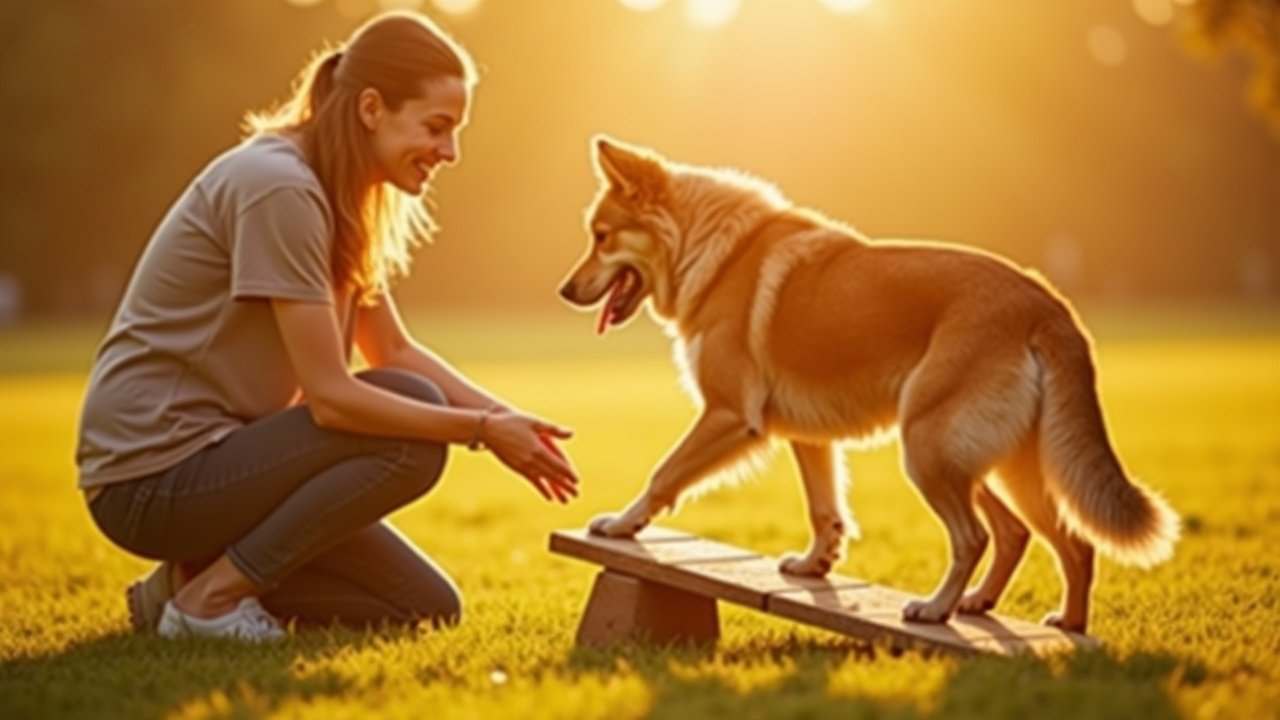
One thing that surprised me was how much basic obedience training helped with Benny’s confidence. Learning simple commands like “sit” and “touch” gave him a sense of accomplishment. Every time he got it right and earned a reward, you could see him stand a little taller.
Nose work games were also fantastic. Hiding treats around the house encouraged him to explore and problem-solve, which naturally reduces fearful behavior. Puzzle toys and snuffle mats work wonders too — anything that gets them thinking instead of worrying.
Quick Confidence-Building Activities to Try
- Short, positive training sessions (5-10 minutes max)
- Scatter feeding in new but safe environments
- The “touch” or hand-target game for shy dogs
- Calm leash walks in low-distraction areas
- Letting them sniff freely on walks without rushing
Know When to Call in a Professional
Look, I’m all for DIY dog training, but some cases of dog anxiety and fear aggression really do need professional help. If your dog is snapping, completely shutting down, or their fear is getting worse despite your efforts, it’s time to consult a certified animal behaviorist. The DACVB directory is a solid place to start your search.
There’s no shame in asking for help. I eventually hired a trainer for Benny when his leash reactivity got out of hand, and it was the best money I ever spent.
The Little Victories Are Everything
Advertisements
Here’s what I want you to take away from all this — helping a fearful dog gain confidence is not a quick fix. It’s a long, sometimes frustrating, deeply personal process that looks different for every dog. What worked for Benny might need tweaking for your pup, and that’s totally okay.
Celebrate the small wins. The first time your dog approaches a stranger voluntarily, or walks past a loud truck without flinching — those moments are pure gold. Always prioritize your dog’s emotional well-being over speed, and never use punishment-based methods with a fearful dog. It only makes things worse.
If you’re looking for more tips on dog behavior, training, and everything in between, check out the Paws Primer blog for more guides written from real experience. Your shy pup is counting on you, and trust me — you’ve got this.