

Advertisements
Here’s a stat that honestly blew my mind — nearly 56% of dogs in the U.S. are classified as overweight or obese. And I’ll be real with you, my golden retriever Charlie was almost one of them. Turns out, I was feeding him like he was still a puppy when he was already two years old. Getting your dog’s feeding schedule right based on their age and breed is honestly one of the most important things you can do as a pet owner!
I learned this the hard way, and I don’t want you making the same mistakes I did. So let’s break it all down.

Why Age Matters More Than You Think
When I first brought Charlie home as an 8-week-old pup, the breeder told me to feed him three to four times a day. Easy enough. But nobody really warned me about when to transition him to fewer meals, and honestly, I just kept doing what I was doing for way too long.
Here’s the general rule of thumb that I wish someone had taped to my fridge:
- Puppies (8 weeks to 6 months): 3 to 4 meals per day. Their little stomachs can’t handle big portions, so smaller and more frequent meals are key.
- Adolescent dogs (6 months to 12 months): 2 to 3 meals per day. You can start consolidating meals around this stage.
- Adult dogs (1 to 7 years): 2 meals per day is the sweet spot for most breeds.
- Senior dogs (7+ years): 2 meals per day, but with adjusted portions and sometimes a different formula for joint health and digestion.
The transition between each stage should be gradual. I made the mistake of switching Charlie’s puppy food to adult food overnight and, well, let’s just say the carpet didn’t survive that weekend.
Breed Size Changes Everything
This is where things get a little tricky. A Chihuahua and a Great Dane obviously don’t eat the same way, but it goes deeper than just portion sizes. Their metabolisms, growth rates, and even their risk for certain health issues are totally different.
Small breeds like Yorkies and Pomeranians actually have faster metabolisms. They burn through calories quick, so they sometimes benefit from three smaller meals even as adults. They’re also prone to hypoglycemia, especially as puppies, so going too long without food can be dangerous.
Medium breeds like Beagles and Bulldogs do great on the standard two-meals-a-day schedule. Nothing too fancy here. Just keep an eye on portions because Beagles — and I say this with love — will eat absolutely anything that isn’t nailed down.
Large and giant breeds like Labs, German Shepherds, and Great Danes need careful attention during their puppy phase. They grow so fast that overfeeding can actually cause skeletal problems. The AKC recommends large breed puppy food with controlled calcium levels to support steady growth.
Mistakes I’ve Made So You Don’t Have To
Oh man, where do I start. Besides the abrupt food switch disaster, I also used to free-feed Charlie. That means I’d just leave a full bowl out all day and let him graze. Seemed convenient at the time. But then he started putting on weight and I couldn’t even tell how much he was actually eating each day.
Scheduled meal times are so much better. You can monitor appetite changes, which is actually one of the first signs something might be wrong health-wise. Plus it helps with potty training puppies since what goes in on a schedule tends to come out on a schedule too.
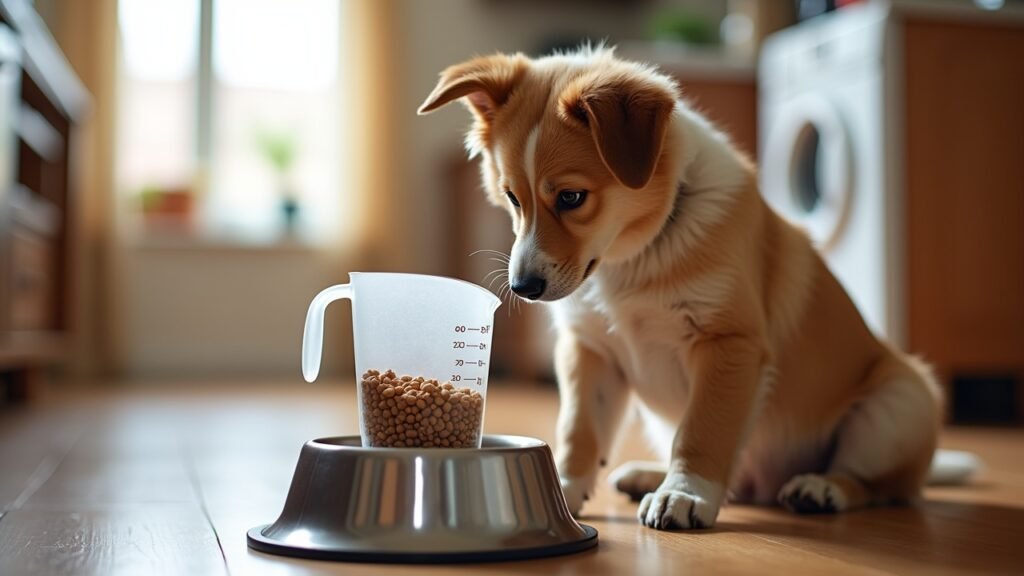
Another thing — I was eyeballing portions for the longest time. Invest in a simple measuring cup or even a small kitchen scale. It makes a bigger difference than you’d think.
Quick Tip on Treats
Advertisements
Treats should make up no more than 10% of your dog’s daily caloric intake. I know, I know — those puppy eyes are hard to resist. But it adds up fast, especially with smaller breeds.
Your Dog’s Schedule Is Worth Getting Right
At the end of the day, there’s no single perfect feeding schedule that works for every dog. You gotta factor in their age, breed size, activity level, and any health conditions they might have. When in doubt, your vet is always the best resource for dialing in the specifics.
Charlie’s doing great now, by the way. Healthy weight, tons of energy, and still begging for table scraps like it’s his full-time job. Take the time to figure out what works for your pup — they’re counting on you for it.
If you found this helpful, make sure to check out more pet care guides and tips over on Paws Primer. We’ve got plenty of posts to help you navigate life with your four-legged best friend!