

Advertisements
Here’s a stat that blew my mind — roughly 3.3 million dogs enter U.S. shelters every year, and a big chunk of surrenders happen because owners just weren’t prepared. I remember bringing home my first puppy, a wiggly little golden retriever named Biscuit, thinking it would be all cuddles and Instagram moments. Boy, was I wrong! This puppy care guide for first-time owners is basically the article I desperately needed back then, so let’s save you from the same chaos I went through.
Puppy-Proofing Your Home (Yes, They Chew Everything)

Before your new furry friend even steps through the door, you gotta puppy-proof your space. I’m talking electrical cords, shoes, trash cans — anything at nose level is fair game. Biscuit ate an entire TV remote his second night home, and that vet bill was not fun.
Start by getting down on your hands and knees and looking at your home from a puppy’s perspective. Tuck away loose wires, secure cabinets with child-proof locks, and move toxic houseplants out of reach. The ASPCA’s toxic plant list is something every new puppy owner should bookmark immediately.
Setting Up a Feeding Schedule That Actually Works
One of the biggest mistakes I made was free-feeding Biscuit — just leaving food out all day. Turns out, puppies thrive on a consistent feeding schedule, usually three meals a day until about six months old, then twice daily after that.
Choose a high-quality puppy food that’s appropriate for your dog’s breed size. Large breed puppies have different nutritional needs than small breeds, and getting this wrong can actually cause joint problems down the road. I’d recommend checking with your vet or looking at the AKC’s puppy nutrition guide for specific recommendations.
Potty Training Without Losing Your Mind
Okay, let’s be real. Potty training is where most first-time puppy owners hit a wall. I certainly did.
The golden rule is consistency. Take your puppy outside first thing in the morning, after every meal, after naps, and before bedtime. When they do their business outside, celebrate like they just won the Super Bowl — treats, praise, the whole deal.
Accidents will happen, and that’s totally normal. Never punish your puppy for indoor accidents because it just makes them scared to go in front of you at all. Instead, clean it up with an enzymatic cleaner and move on. Most puppies are reliably house trained by about four to six months, though some stubborn little guys take longer.
Socialization: The Window You Can’t Afford to Miss
This is the one thing I wish someone had screamed at me about. The critical socialization period for puppies is between 3 and 14 weeks old. During this time, you need to expose them to as many different people, sounds, environments, and other animals as safely possible.
I was so paranoid about Biscuit getting sick before his vaccinations were complete that I basically kept him in a bubble. Big mistake. He ended up being reactive to other dogs for years, and we spent a fortune on a behaviorist. Talk to your vet about safe socialization options — puppy classes are usually structured so that everyone’s at a similar vaccination stage. The American Veterinary Society of Animal Behavior actually recommends starting socialization before the vaccine series is even finished.
Vet Visits and Vaccinations: Don’t Skip These
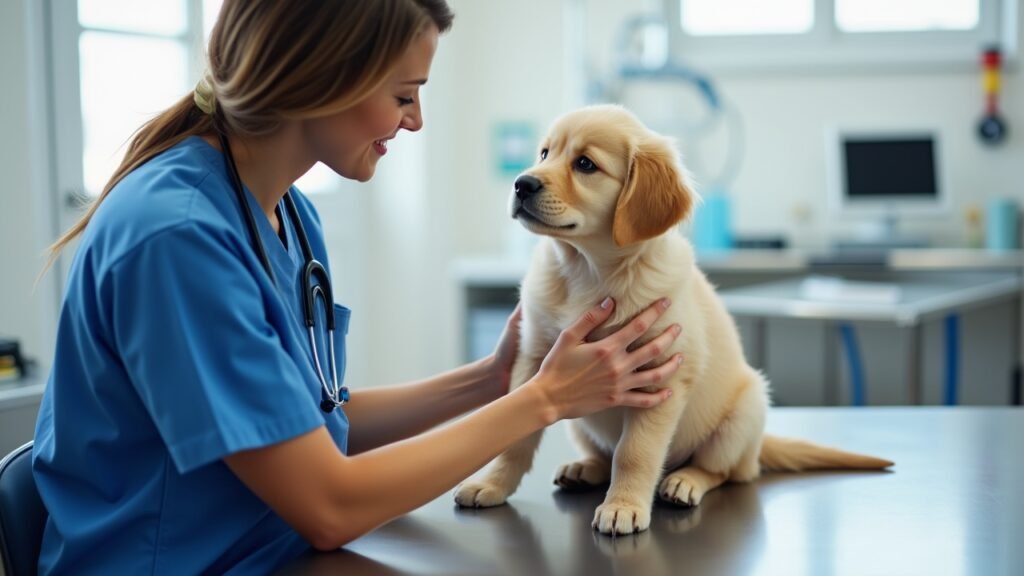
Your puppy will need a series of core vaccinations starting around six to eight weeks old, typically including distemper, parvovirus, and rabies. These are spaced out every three to four weeks until they’re about 16 weeks old.
Also, now’s the time to discuss spaying or neutering, flea and tick prevention, and heartworm medication with your vet. I know it feels like a lot of appointments and a lot of money, but skipping preventive care always ends up costing way more in the long run. Trust me on that one.
Your Journey Is Just Getting Started
Advertisements
Raising a puppy is honestly one of the most rewarding and exhausting things you’ll ever do. Every puppy is different though, so don’t be afraid to adjust this advice to fit your specific situation and breed. Always prioritize your pup’s safety, and when in doubt, call your vet — that’s literally what they’re there for.
If you found this helpful, head over to Paws Primer for more tips on keeping both you and your four-legged friend happy and healthy. There’s a whole bunch of articles waiting for you over there!