

Do Cats Need Baths? An Honest Owner Guide From Someone Who Learned the Hard Way
Advertisements
Here’s a fun little stat for you — cats spend roughly 30 to 50 percent of their day grooming themselves. That’s basically a part-time job! So when I first brought my tabby, Mochi, home about six years ago, I just assumed baths were completely off the table. Turns out, I was mostly right — but not entirely. Knowing when and how to bathe your cat can actually save you a lot of stress, and honestly, a few scratches too.
Cats Are Basically Self-Cleaning Machines
Let’s get the big question out of the way. No, most cats do not need regular baths. Their tongues are covered in tiny barb-like structures called papillae that work like a natural comb, distributing oils and removing loose fur and dirt.
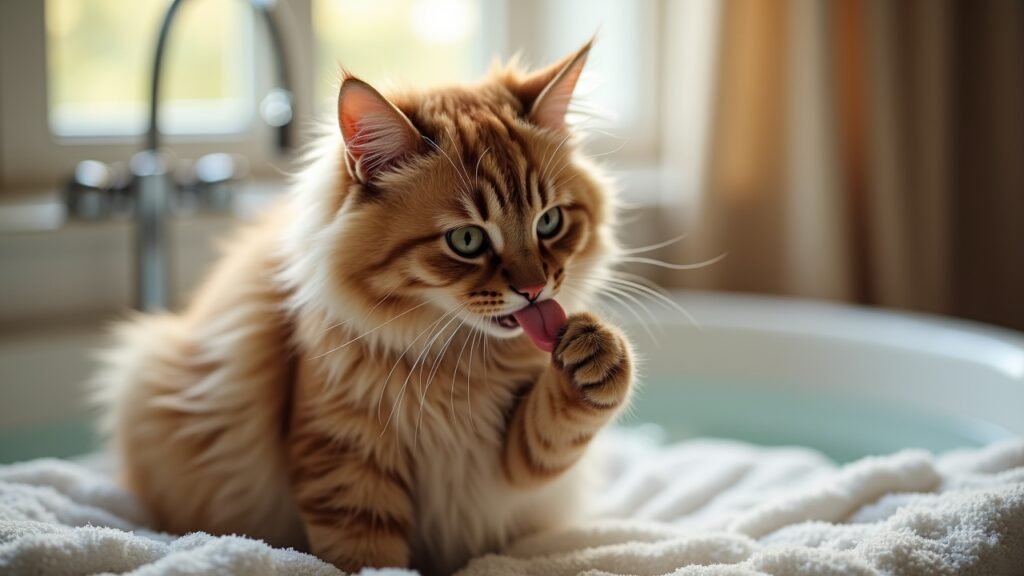
It’s pretty amazing when you think about it. I used to watch Mochi go through her whole routine — face, paws, belly, tail — and it was like watching a little spa session every evening. For the average indoor cat, this self-grooming habit is more than enough to keep them clean and their coat healthy.
So if your cat smells fine and looks clean? You can probably skip bath time altogether. Honestly, that’s a win for everyone involved.
When Your Cat Actually Does Need a Bath
Now here’s where things get interesting. There are definitely situations where you’ll need to step in and give your feline friend a wash. I learned this the hard way when Mochi knocked over a bottle of olive oil in the kitchen and rolled around in it like she was at some kind of cat spa. Her tongue was NOT going to fix that mess.
Here are some common reasons a cat might need a bath:
- They’ve gotten into something sticky, greasy, or potentially toxic
- They have fleas, and your vet recommended a medicated flea shampoo
- They’re an older or overweight cat who can’t groom themselves properly
- They have a skin condition that requires therapeutic bathing
- They’re a long-haired breed prone to matting, like Persians or Maine Coons
If none of those apply to your cat, you’re probably in the clear. But it’s good to be prepared just in case, trust me.
How I Survived My First Cat Bath (Barely)
Okay so the olive oil incident. I panicked. I filled the bathtub with water like I was bathing a dog, plopped Mochi in, and — well, let’s just say I still have a faint scar on my left hand. I did everything wrong that first time.
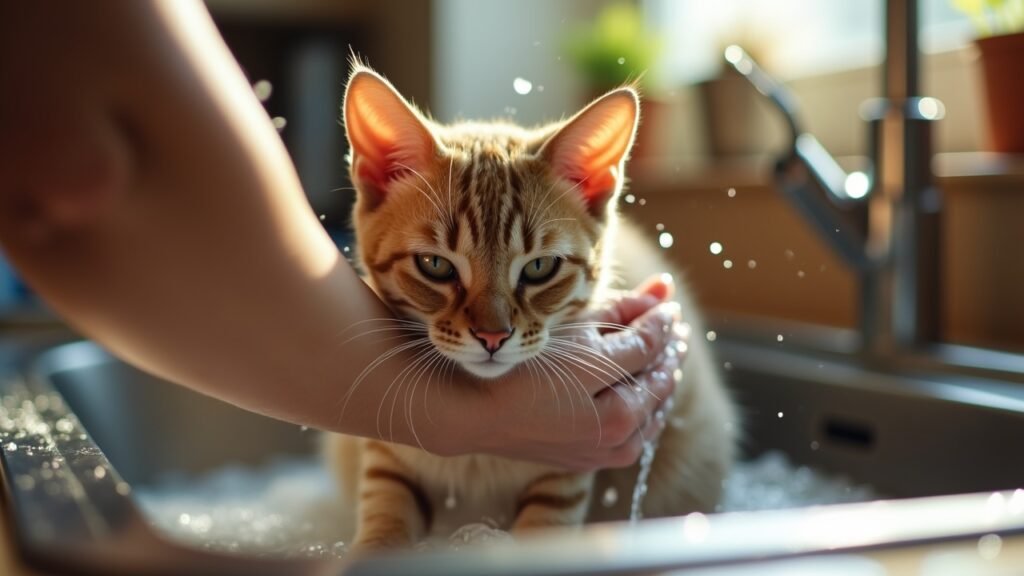
Here’s what I’ve learned since then. First, never use a full tub. A few inches of lukewarm water in a sink or basin works way better. Second, always use a cat-specific shampoo — human shampoo can mess with their skin pH and cause irritation.
Third, and this is the big one, stay calm. Cats pick up on your energy like nobody’s business. If you’re stressed, they’re gonna be stressed times ten. I now talk to Mochi in this ridiculous baby voice the whole time, and honestly it works. She still doesn’t love it, but she tolerates it.
Alternatives to a Full-On Bath
Sometimes you don’t need the whole production. For minor messes or between baths, there are some great workarounds that have saved me a ton of grief.
Cat grooming wipes are a total game-changer. I keep a pack in the kitchen and one near the litter box area. They’re perfect for wiping down paws or cleaning up a small dirty spot without traumatizing your cat.
Advertisements
Dry shampoo made for cats is another solid option. And regular brushing — I’m talking a few times a week for long-haired breeds — goes a long way in preventing the kind of tangles and buildup that might eventually require a bath. I was been pretty lazy about brushing at first, but once I made it a habit, Mochi’s coat improved so much.
The Bottom Line From One Cat Parent to Another
Most cats really don’t need baths, and that’s by design. They’ve been perfecting their grooming game for thousands of years. But life happens — oil spills, flea infestations, aging joints — and knowing how to safely bathe your cat is just part of being a responsible pet owner.
Every cat is different though, so always pay attention to your specific kitty’s needs and consult your vet if you’re unsure about skin conditions or grooming routines. And whatever you do, please use lukewarm water and cat-safe products. Your cat (and your hands) will thank you.
Want more practical tips on caring for your furry friend? Head over to Paws Primer and check out our other guides — we’ve got tons of stuff written by real pet owners who’ve made all the mistakes so you don’t have to!