
Dog Dental Care: How to Prevent Gum Disease Before It Sneaks Up on You
Advertisements
Here’s a stat that honestly floored me — according to the American Veterinary Medical Association, most dogs show signs of periodontal disease by the time they’re just three years old. Three! I learned this the hard way with my first dog, a stubborn little beagle named Cooper, who ended up losing two teeth because I had no clue dog dental care was even a thing I needed to worry about.
That experience honestly wrecked me. So now I’m kinda obsessed with canine oral health, and I want to save you from the same guilt trip I went through.
Why Gum Disease in Dogs Is a Bigger Deal Than You Think
Let’s get real for a second. Gum disease in dogs — technically called periodontal disease — doesn’t just mean stinky breath. Left untreated, bacteria from infected gums can actually travel through the bloodstream and damage your dog’s heart, kidneys, and liver.
I remember my vet telling me that and thinking she was being dramatic. She wasn’t. The connection between oral bacteria and organ damage in pets is well-documented, and it’s genuinely scary stuff.
Signs Your Dog Might Already Have Gum Problems
With Cooper, the first thing I noticed was his breath getting absolutely horrendous. Like, not normal dog breath — something way worse. Then came the drooling and the reluctance to chew on his favorite toys.
Here are some warning signs you should watch for:
- Persistent bad breath that doesn’t go away
- Red, swollen, or bleeding gums
- Yellow or brown tartar buildup on teeth
- Dropping food while eating or chewing on one side
- Pawing at the mouth or face
- Loose or missing teeth
If you’re seeing any of these, please don’t wait like I did. Get your pup to the vet.
How I Actually Brush My Dog’s Teeth (Without Losing a Finger)
Okay so brushing a dog’s teeth sounds ridiculous until you actually get the hang of it. My current dog, a golden retriever named Biscuit, was NOT into it at first. There was a lot of head-turning and dramatic escape attempts.
The trick that worked for me was starting slow. I’d let her lick some enzymatic dog toothpaste off my finger for a few days — the poultry-flavored kind, because apparently that’s a delicacy in dog world. Then I graduated to a finger brush, and eventually a proper dog toothbrush.
A quick aside — never use human toothpaste on dogs. The fluoride and xylitol in our toothpaste is toxic to them. Learned that from a panicked Google search at 11 PM one night, don’t ask.
Beyond the Toothbrush: Other Ways to Prevent Gum Disease
Brushing is great, but it ain’t the only tool in the toolbox. I’ve found that combining multiple approaches works way better for keeping plaque and tartar under control.
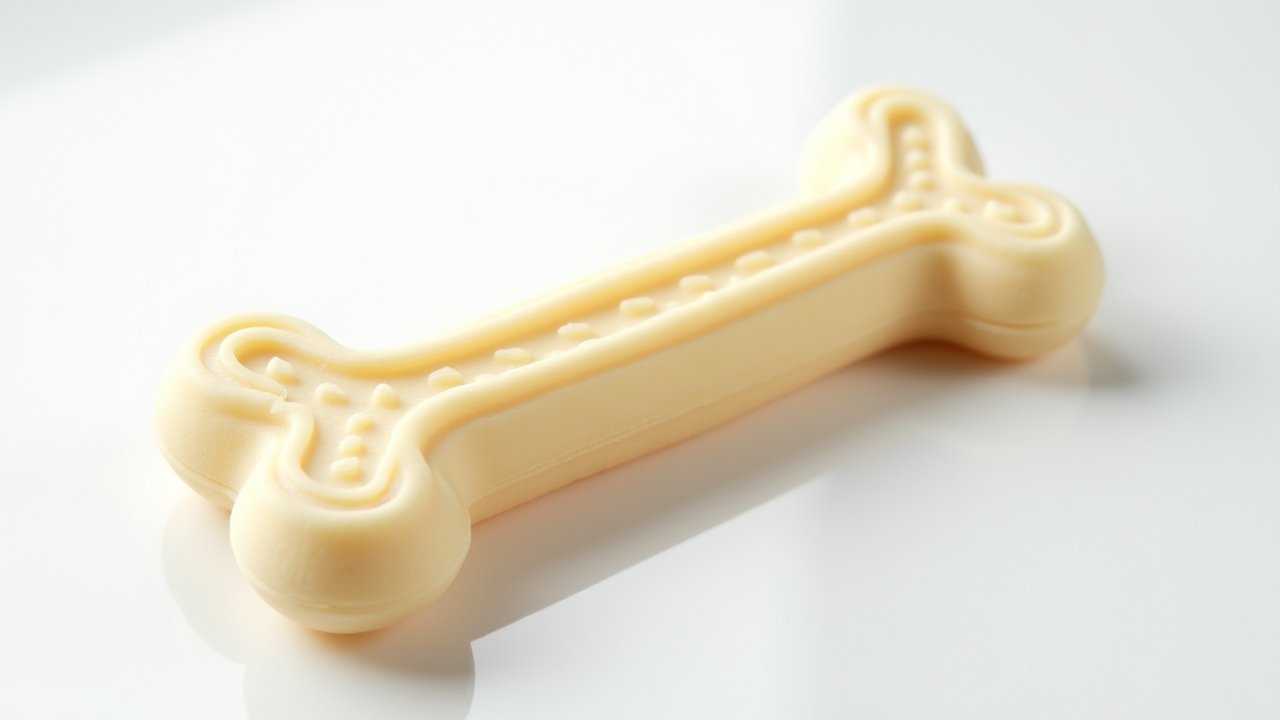
- Dental chews: Look for ones with the VOHC seal of acceptance — that means they’ve actually been tested and proven to reduce plaque or tartar.
- Water additives: These are basically like mouthwash for dogs. Super easy to use, you just pour a little into their water bowl.
- Raw bones: Some vets recommend raw bones for natural teeth cleaning, though this one’s a bit controversial. Always supervise your dog with bones.
- Regular vet cleanings: Professional dental cleanings under anesthesia are recommended yearly for most dogs. Yes, it’s pricey. But it’s way cheaper than tooth extractions down the road.
Your Dog’s Smile Is Worth the Effort
Look, I get it — adding teeth brushing to your already busy routine feels like a lot. But after watching Cooper go through a painful extraction surgery, I can tell you that a few minutes of prevention each day is so much better than the alternative. Your dog’s dental health directly impacts their overall wellbeing and honestly, their happiness too.
Advertisements
Every dog is different though, so tailor these tips to what works for your pup and always check with your vet before trying new products. What works for Biscuit might not work for your chihuahua or your Great Dane, and that’s totally fine.
If you found this helpful, I’d love for you to explore more pet care tips over at Paws Primer — we’ve got tons of articles to help you keep your furry best friend healthy and tail-wagging for years to come!