Advertisements
Here’s a fact that honestly blew my mind when I first heard it — a cat’s body is made up of about 60-70% water. I remember staring at my cat Luna one afternoon, watching her completely ignore her water bowl for the fifth hour in a row, and thinking, “Girl, how are you even alive right now?” That moment sent me down a rabbit hole of research about how much water should a cat drink, and let me tell you, what I learned probably saved her from some serious health issues down the road.
The Magic Number: How Much Water Does a Cat Actually Need?
So here’s the deal. Most vets agree that a cat should drink roughly 3.5 to 4.5 ounces of water per 5 pounds of body weight per day. That means if your cat weighs around 10 pounds — which is pretty average — they should be getting somewhere between 7 and 9 ounces of water daily.
Now, I messed this up for years because I didn’t account for the water content in wet food. If your cat eats primarily wet cat food, they’re already getting a good chunk of their daily hydration from that alone — wet food is like 70-80% moisture. Dry kibble, on the other hand, is only about 10% water, so cats on a dry food diet need to drink way more from their bowl.
Signs Your Cat Isn’t Drinking Enough
I learned this one the hard way. Luna started getting lethargic and her skin wasn’t bouncing back when I gently pinched it — that’s called the skin turgor test, and it’s a quick way to check for cat dehydration. I freaked out and rushed her to the vet, only to find out she was mildly dehydrated.
Watch out for these warning signs:
- Dry or sticky gums
- Sunken eyes that just look off
- Loss of appetite or low energy
- Decreased skin elasticity
- Less frequent urination or darker urine
If you notice any of these, don’t wait around like I almost did. Get your kitty to the vet.
Sneaky Tricks to Get Your Cat to Drink More Water
Okay, this is where it gets fun. Cats are ridiculously picky about their water — and honestly, I kind of respect it. After years of trial and error, here’s what actually worked for me.
First, I bought a cat water fountain. Total game changer. Cats are naturally attracted to running water because in the wild, moving water is usually fresher and safer than stagnant puddles. Luna went from barely sipping to actually hanging out by her fountain like it was some kind of spa.
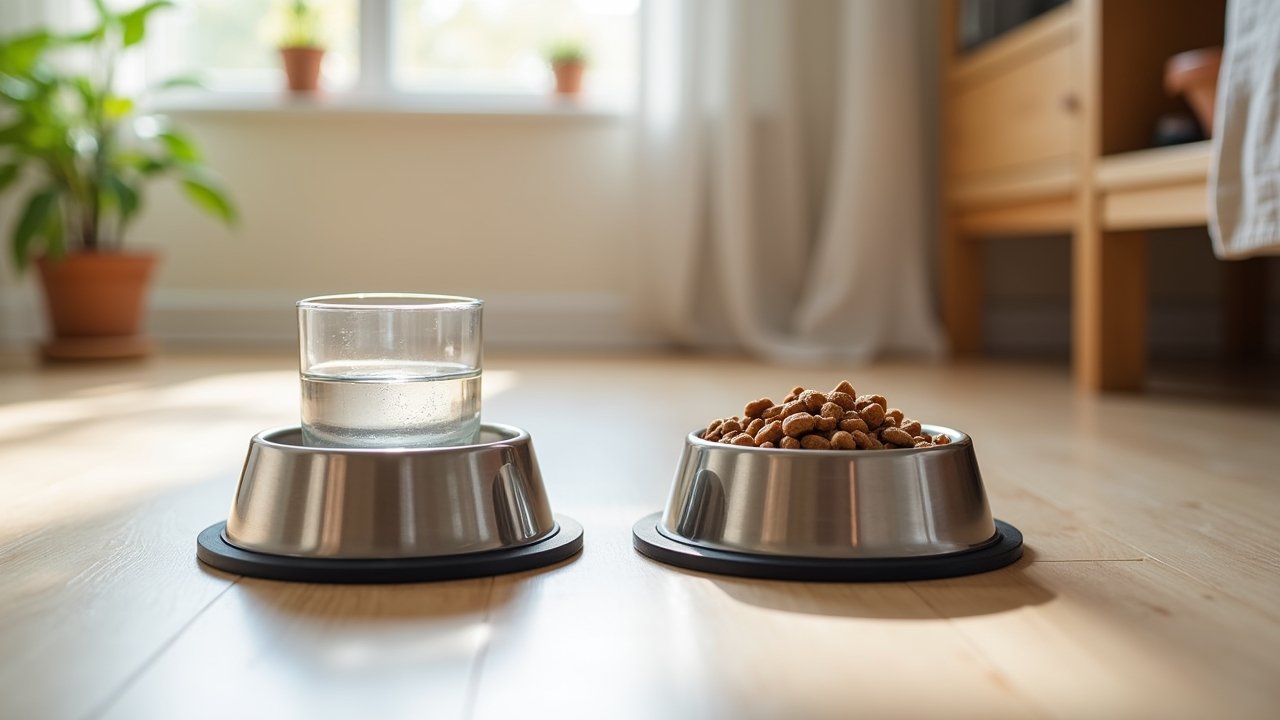
Second, placement matters more than you’d think. I used to keep her water right next to her food bowl, which apparently cats don’t love — something about instinctively avoiding water near their “kill site.” Weird, but once I moved the water to a different room, she drank noticeably more.
A few more tricks that helped:
- Use a wide, shallow bowl so her whiskers don’t touch the sides
- Try adding a tiny splash of tuna water for flavor
- Keep multiple water stations around the house
- Refresh the water daily because nobody likes stale water
- Mix some water into her wet food for extra hydration
When Too Much Water Is Actually a Problem
Here’s something that doesn’t get talked about enough. If your cat is suddenly drinking a ton of water — like way more than normal — that could actually be a red flag for conditions like diabetes, kidney disease, or hyperthyroidism. Excessive thirst in cats, also called polydipsia, is something you shouldn’t ignore.
I noticed my friend’s cat was suddenly obsessed with the faucet and constantly begging for water. Turned out he had early-stage kidney issues. Catching it early made a huge difference in his treatment.
Keep Those Bowls Full and Those Cats Happy
Advertisements
At the end of the day, monitoring your cat’s water intake is one of the simplest things you can do to keep them healthy. Every cat is a little different though — age, diet, activity level, and even the weather can affect how much they need. So pay attention to your specific furball and adjust accordingly.
And please, if something feels off, don’t Google it for three days like I did. Just call your vet. Your cat’s hydration is directly tied to their kidney health, urinary tract function, and overall wellbeing. It’s not something to mess around with.
Want more practical tips on keeping your cat thriving? Head over to Paws Primer and explore our other posts — we’ve got tons of stuff to help you become the best cat parent you can be!