

Puppy Schedule First Month: The Survival Guide I Wish I Had
Advertisements
Here’s a stat that blew my mind — puppies can sleep up to 20 hours a day during their first few weeks at home. Twenty hours! And yet somehow, those remaining four hours felt like absolute chaos when I brought my golden retriever, Benny, home for the first time. If you’re reading this, you’re probably in the thick of it right now, or you’re smartly preparing ahead of time. Either way, nailing your puppy schedule in the first month is honestly the single most important thing you can do for your new furry family member.
Week One: Just Breathe (And Set Up a Routine)
The first week is all about survival — yours and theirs. Your puppy is scared, confused, and probably whining at 3 a.m. I remember thinking I’d made a huge mistake that first night with Benny, and honestly, a lot of new puppy owners feel the exact same way.
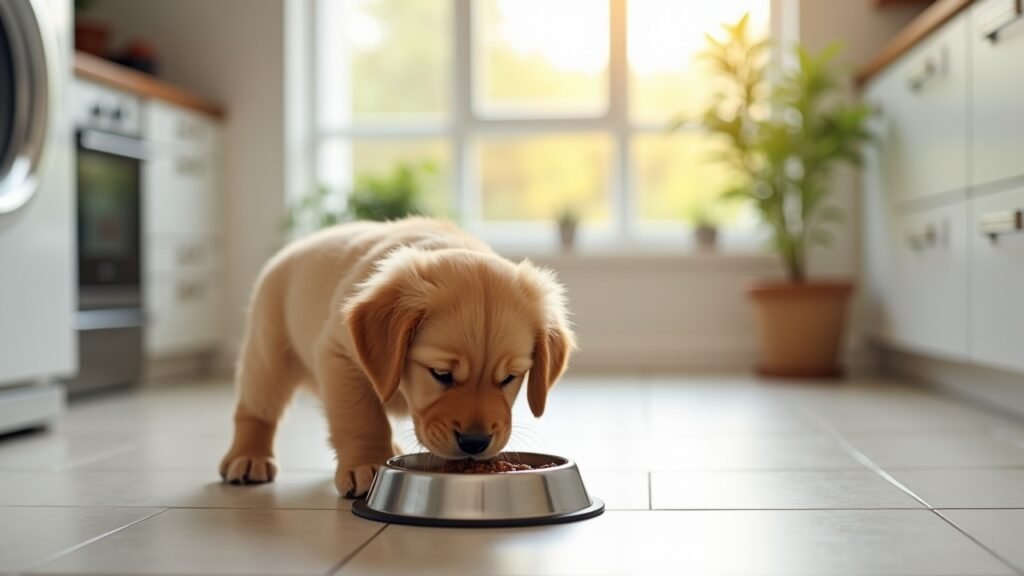
Start simple. Feed your puppy three to four meals a day at consistent times, usually around 7 a.m., noon, 5 p.m., and a small evening meal around 8 p.m. According to the AKC’s feeding guidelines, most puppies between 8 and 12 weeks do best with three meals daily.
Take your pup outside for potty breaks every 30 to 45 minutes while they’re awake. Yes, it’s exhausting. But this is how you start building the foundation for house training, and trust me, it pays off big time.
The Crate Training Game-Changer
I was one of those people who felt guilty about crate training at first. It felt mean. But then Benny chewed through an entire phone charger cord — while it was plugged in — and I got over that guilt real quick.
Introduce the crate slowly during week one and use it consistently by week two. Put a cozy blanket inside, toss in a treat, and let your puppy explore it on their own terms. The Humane Society has a great step-by-step guide that was basically my bible during this phase.
By the end of the first month, your puppy should be comfortable sleeping in the crate through most of the night. Benny went from howling for two straight hours to snoring peacefully in about ten days. There is hope!
Weeks Two and Three: Building the Daily Puppy Routine
This is where things start clicking. Your new puppy schedule should now follow a predictable pattern: wake up, potty, eat, play, potty, nap. Then repeat that cycle basically all day long.
Here’s a sample daily schedule that worked for me:
- 7:00 a.m. — Wake up, immediate potty break outside
- 7:15 a.m. — Breakfast time
- 7:45 a.m. — Supervised playtime and short training session (5 minutes max)
- 8:30 a.m. — Potty break, then nap in the crate
- 11:00 a.m. — Wake up, potty, second meal
- 12:00 p.m. — Play, explore, socialization
- 1:00 p.m. — Long afternoon nap
- 4:00 p.m. — Potty, playtime, basic obedience commands
- 5:30 p.m. — Dinner
- 7:00 p.m. — Calm evening play, last water intake
- 9:00 p.m. — Final potty break, bedtime
Don’t stress if your schedule looks different. Every puppy is unique, and honestly, some days Benny threw the whole plan out the window by being a tiny adorable tornado.
Week Four: Early Socialization and Basic Commands

By week four, your puppy is settling in and starting to show their personality. This is prime time for early puppy socialization — introducing new sounds, textures, people, and gentle experiences. I used to carry Benny around the neighborhood before he was fully vaccinated so he could see the world safely.
Start working on basic commands like “sit,” “come,” and “leave it.” Keep training sessions short, around five minutes, and always end on a positive note. Positive reinforcement with small training treats works way better than scolding — something I learned the hard way when yelling “no” just made Benny more excited.
You’ve Got This, Seriously
Advertisements
The first month with a new puppy is messy, tiring, and sometimes frustrating. But it’s also incredibly rewarding when that little fluffball finally sits on command or sleeps through the night. Stick to a consistent puppy routine, be patient with yourself, and remember that every puppy parent before you has survived this stage too. Adjust the schedule to fit your life — there’s no one-size-fits-all approach, and your pup will let you know what works. Always consult your vet about vaccinations, nutrition, and health concerns during this critical period. For more tips and guides on raising a happy, healthy dog, come hang out with us over at Paws Primer — we’ve got plenty more where this came from!