

Advertisements
Here’s a fun fact — the average cat will spend roughly 20,000 hours of its life using a litter box. Twenty thousand! I didn’t believe it either until I looked it up. And yet, so many of us just grab the cheapest plastic tray at the pet store and call it a day. I know because that’s exactly what I did with my first cat, Oliver, and let me tell you, it was a disaster.
Choosing the right litter box for your cat matters way more than most people think. A bad setup can lead to litter box avoidance, behavioral issues, and a lot of frustrating cleanups on your bedroom carpet at 6 AM. Trust me on that one.
Size Actually Matters Here
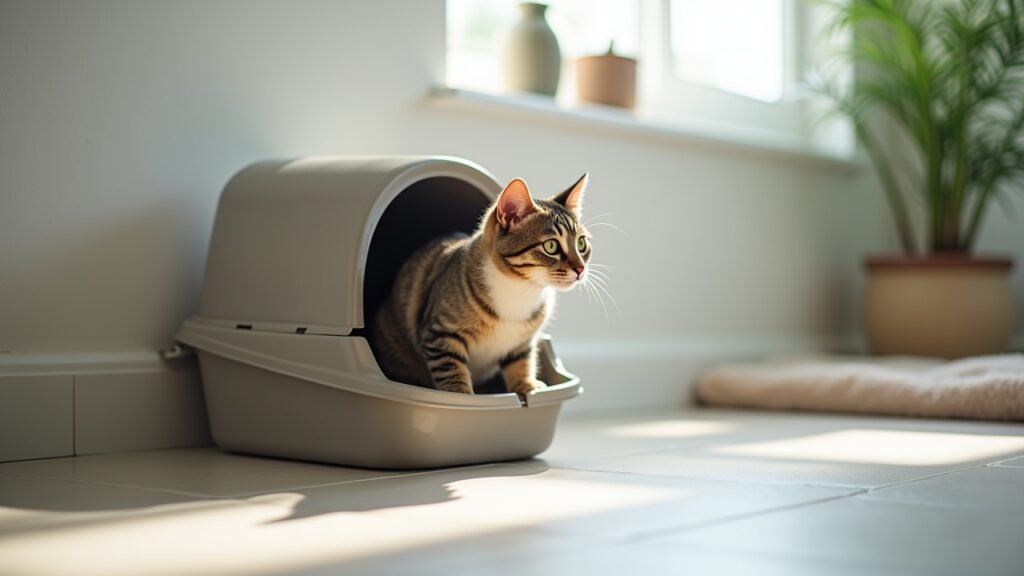
The biggest mistake I made was buying a litter box that was way too small. Oliver is a big Maine Coon mix, and I stuck him with this tiny pan barely bigger than a shoebox. He’d hang over the edges and, well, you can imagine the mess.
The general rule is that your cat’s litter box should be at least 1.5 times the length of your cat from nose to tail. Most standard boxes at pet stores are honestly too small for the average adult cat. The ASPCA recommends spacious boxes to prevent avoidance issues, and I couldn’t agree more.
If you’ve got a larger breed, consider storage containers from hardware stores. Seriously — a large, low-sided plastic tote works amazing and costs like five bucks.
Covered vs. Uncovered — The Great Debate
I used to think hooded litter boxes were the greatest invention ever. They hide the mess, trap the smell, and look kinda neat. But here’s the thing — most cats actually prefer uncovered boxes.
Covered boxes can trap odors inside, which might seem great for us but is pretty awful for a cat with a sense of smell that’s 14 times stronger than ours. My cat Pepper literally refused to step inside a hooded box after the first week. I was so frustrated, thinking she was being dramatic, but she was just telling me it stunk in there.
That said, some cats love the privacy. It really depends on your cat’s personality. My advice? Start uncovered and see how it goes.
Self-Cleaning Boxes — Worth the Hype?
Okay so I splurged on an automatic self-cleaning litter box a couple years ago. Was it life-changing? Kinda. Was it perfect? Absolutely not.
These gadgets, like the popular Litter-Robot, can be amazing for busy pet owners who struggle with daily scooping. But they’re loud, expensive, and some cats are genuinely terrified of the mechanism. Pepper wouldn’t go near it for three weeks straight.
If you’re considering one, introduce it slowly alongside your old box. Don’t just swap it out overnight — that’s a recipe for your cat finding “alternative” bathroom spots. Like your couch cushions. Ask me how I know.
How Many Litter Boxes Do You Actually Need?
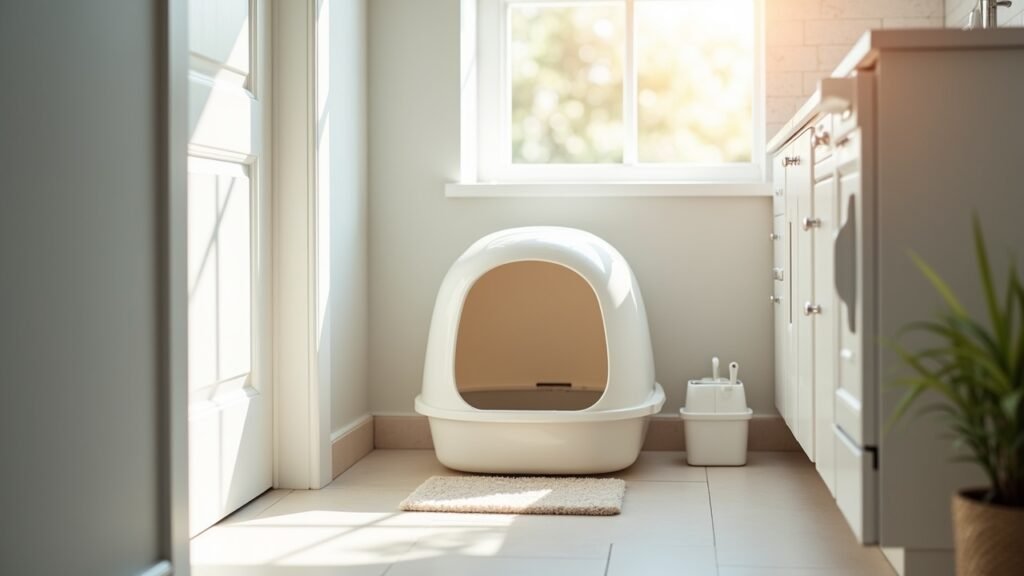
The golden rule in the cat world is one box per cat plus one extra. So if you’ve got two cats, you need three boxes. I thought this was overkill until I went from constant territorial peeing issues to zero problems overnight.
Advertisements
Placement matters too. Don’t shove them all in the same corner of your basement. Spread them across different rooms and floors of your home. Cats want options, and according to The Humane Society, location is one of the top factors in litter box acceptance.
Don’t Forget About Your Cat’s Age and Mobility
This is something nobody told me about. When Oliver got older and developed some arthritis, he started having accidents. Turned out he couldn’t easily step over the high sides of his box anymore.
For senior cats or kittens, look for low-entry litter boxes with at least one side that’s only a few inches high. It’s a small change that makes a massive difference. You can even cut down one side of a plastic storage bin yourself — just sand the edges so nobody gets scratched.
Your Cat’s Comfort Is the Whole Point
At the end of the day, choosing the right litter box comes down to paying attention to your individual cat. Watch their behavior, notice what they avoid, and don’t be afraid to experiment. Every cat is different and what worked for Oliver was a complete fail for Pepper.
Keep things clean, keep things accessible, and always prioritize your cat’s comfort over aesthetics. If you found this helpful and want more practical pet care tips, head over to Paws Primer where we’re always sharing stuff like this. Your cat will thank you — probably by ignoring you, but still.