
How to Create a Pet Emergency Plan at Home (Before Chaos Strikes)
Advertisements
Here’s a stat that honestly shook me: according to the American Veterinary Medical Association, nearly 67% of U.S. households own a pet, but fewer than half have any kind of emergency plan that includes their animals. I was part of that clueless majority until about three years ago, when a kitchen fire scare sent me scrambling for my cat, my dog, and my sanity all at once. Let me tell you, nothing exposes your lack of preparation quite like standing in your yard at 2 a.m. in pajamas, holding a terrified tabby who’s clawed your neck raw. That night changed everything for me, and putting together a pet emergency plan at home became my absolute priority.
Why You Actually Need a Pet Emergency Plan
I used to think emergency preparedness was for people in tornado alley or wildfire zones. Turns out, emergencies don’t care about your zip code. House fires, gas leaks, severe storms, even a sudden medical crisis with your pet — any of these can happen on a random Tuesday.
The biggest lesson I learned? Panic makes you stupid. When my smoke alarm went off, I couldn’t remember where I’d put the cat carrier, and my dog’s leash was buried under a pile of shoes by the door. Having a plan written down and practiced takes the thinking out of a moment where your brain is basically screaming at you.
Build Your Pet Emergency Kit First
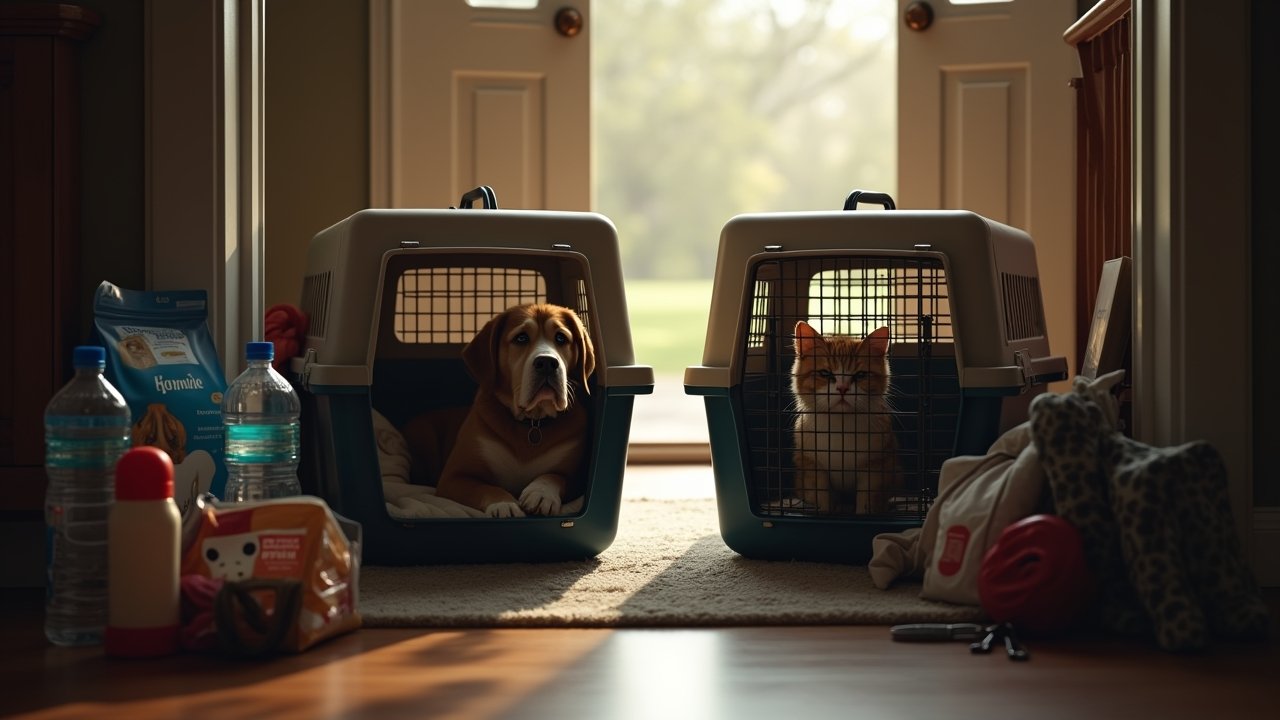
Before you map out escape routes or anything fancy, start with a pet emergency kit. I keep mine in a labeled bin right next to the back door. It was honestly kind of fun to put together, once I stopped procrastinating.
Here’s what’s in mine:
- A 5-day supply of food and water for each pet
- Copies of vaccination records and microchip info in a waterproof bag
- Any medications your pet takes daily
- A spare leash, collar with ID tags, and a sturdy carrier
- Recent photos of each pet (in case they get lost)
- Poop bags, a small litter pan, and basic grooming supplies
- A pet first aid kit — the Red Cross sells a good one
- A comfort item like a favorite blanket or toy
One mistake I made early on was packing dry food and forgetting to rotate it out. Six months later it was stale and gross. So set a reminder on your phone to refresh perishable supplies every three months or so.
Map Out Your Escape Routes With Pets in Mind
This part sounds obvious, but it’s where most people (including me) totally drop the ball. Walk through your home and figure out at least two exit routes from every room. Then ask yourself: where does your pet usually hide when they’re scared?
My cat, Mochi, bolts under the bed in the master bedroom every single time there’s a loud noise. Knowing that saved me precious minutes during our scare because I went straight to her hiding spot instead of searching the whole house. Write these hiding spots down and share them with everyone in your household.
Also, stick a pet rescue sticker on your front window. Firefighters look for those. It tells them how many and what type of animals are inside. The ASPCA offers free ones if you check their site.
Know Your Emergency Vet and Have Contacts Ready
Your regular vet probably isn’t open at midnight. I found that out the hard way when my dog ate something suspicious on a Sunday evening. Having the number for a 24-hour emergency animal hospital saved in your phone is non-negotiable.
I’d also recommend keeping the ASPCA Animal Poison Control Center number handy: (888) 426-4435. There is a consultation fee, but it’s worth every penny when you’re freaking out about whether chocolate or a chewed-up plant is going to hurt your pet.
Practice Makes It Stick
Here’s where most people roll their eyes, but hear me out. Run a drill. Seriously. My family thought I was being dramatic until we did one and realized it took us almost four minutes just to wrangle both animals into carriers. That’s a long time in a real emergency.
Advertisements
We practiced once a month for a while, and now we’ve got it down to under ninety seconds. The pets even seem less stressed about it because the carriers aren’t some scary unknown object anymore. A little practice goes a ridiculously long way.
Your Pets Are Counting on You
Look, putting together a pet emergency plan at home doesn’t require a weekend project or a bunch of money. It just takes a little intention and maybe an hour of your time. Customize it based on your pets, your home layout, and the types of disasters common in your area.
And please, don’t forget that pets left behind in evacuations face heartbreaking outcomes. Your plan is their plan, because they can’t make one themselves. Start today — even if it’s just grabbing a bin and tossing in some supplies.
If you found this helpful, head over to the Paws Primer blog for more practical guides on keeping your furry family members safe, healthy, and happy. We’ve got a ton of stuff over there that I wish I’d read years ago!