
Advertisements
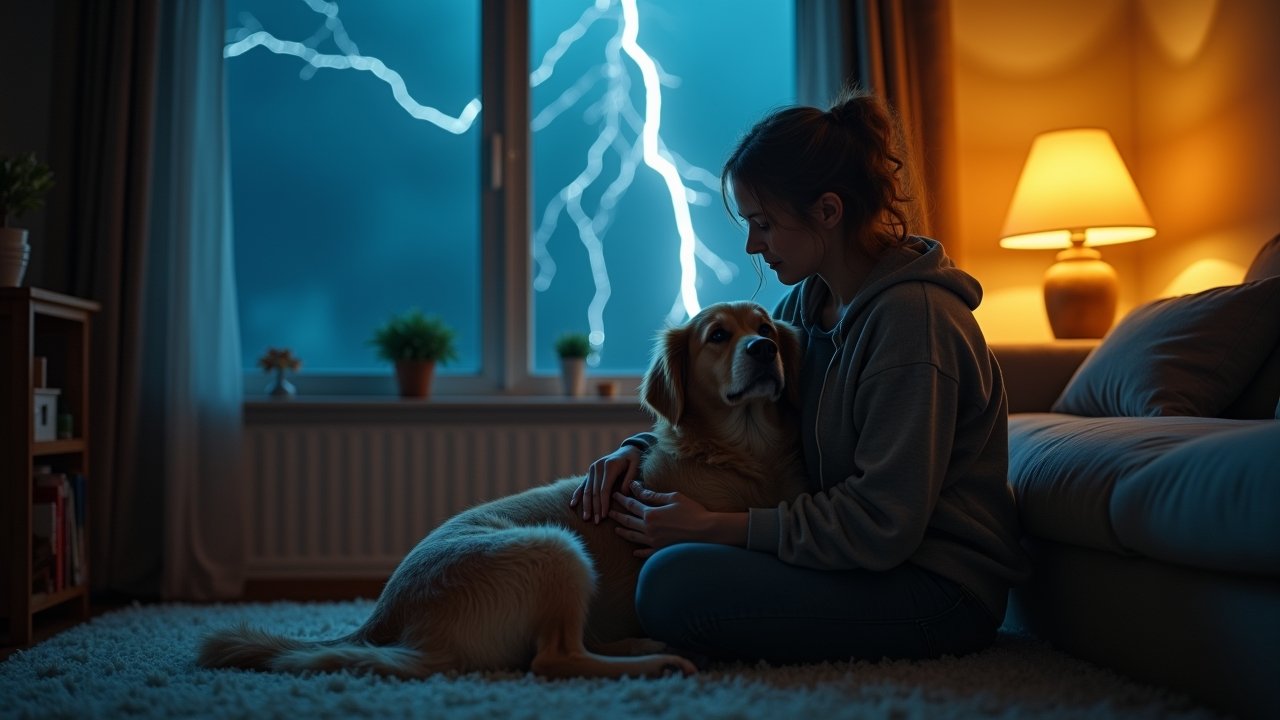
Did you know that nearly 40% of dogs suffer from noise anxiety? I learned that stat the hard way when my rescue mutt, Bruno, absolutely lost it during his first thunderstorm at our place. We’re talking full-on shaking, drooling, and trying to claw through the bathroom door. It was heartbreaking, honestly.
Learning how to desensitize dog to loud noises became my mission after that night. And let me tell you, it’s been a journey full of mistakes, small victories, and a whole lot of patience. If your pup freaks out during fireworks, thunder, or even the vacuum cleaner, stick around — I’ve got some real-world advice that actually works.
Why Dogs Freak Out Over Loud Noises in the First Place
Before I started the whole noise desensitization process, I had to understand why Bruno was so terrified. Dogs have way more sensitive hearing than us — they can detect frequencies up to 65,000 Hz compared to our measly 20,000. So what sounds loud to you is basically an explosion to your dog.
Some dogs develop noise phobia from a single traumatic event, while others are just genetically predisposed to sound sensitivity. Breeds like Border Collies and German Shepherds tend to be more reactive, according to the ASPCA. Bruno’s a mystery mix, so I guess he hit the anxiety jackpot.
Start Low and Slow — Seriously, I Mean Low
Here’s where I messed up big time at first. I found a thunderstorm sounds playlist on YouTube and played it at like half volume thinking that was “low.” Bruno immediately bolted under the bed. Rookie move.
The key to counter conditioning your dog is starting at a volume so low you can barely hear it yourself. I’m talking whisper-level. You want your dog to notice the sound without reacting to it — that’s the sweet spot. Pair that barely-there sound with something your dog loves, like treats or their favorite toy.
I used sound desensitization tracks on YouTube specifically designed for dogs. They’ve got everything from fireworks to construction noise. Play them during calm moments — not when your dog is already stressed.
The Gradual Volume Increase Game Plan
Once your dog seems totally chill at the lowest volume (and this took Bruno about a week, no joke), you bump it up just a tiny notch. We’re talking one or two volume clicks on your phone. That’s it.
- Play the sound at low volume for 5-10 minutes during treat time or play sessions.
- Watch for stress signals like lip licking, yawning, whale eye, or tucked tails.
- If your dog reacts, you’ve gone too fast — drop the volume back down immediately.
- Only increase volume when your dog shows zero reaction at the current level for at least 2-3 sessions.
- Keep sessions short and positive. Nobody likes being stressed for an hour straight.
This whole process is called systematic desensitization, and it’s been backed by veterinary behaviorists for decades. It ain’t glamorous, but it works.
Don’t Forget the Power of a Safe Space
While you’re working on the desensitization training, give your dog a cozy retreat. Bruno’s is a crate in our closet with a blanket draped over it — total cave vibes. Some dogs prefer a bathroom or an interior room where sounds are naturally muffled.
Adding white noise or calming music can help too. The iCalmDog series was actually developed with psychoacoustic research, and I noticed Bruno’s breathing slow down when it played. It’s not a magic fix, but every little thing helps when you’re dealing with dog noise anxiety.
When to Call in the Pros
Look, I’ll be honest — there was a point where I thought I wasn’t making any progress with Bruno. Around week three I almost gave up. But then I noticed he stopped running during recorded thunder, and that tiny win kept me going.
Advertisements
However, if your dog’s fear is severe — like they’re injuring themselves or refusing to eat — please talk to your vet. Sometimes medication like trazodone or sileo is needed alongside behavioral training. A certified animal behaviorist can also create a customized plan. The DACVB directory is a great place to find one near you.
Your Dog’s Bravery Starts With Your Patience
Desensitizing your dog to loud noises isn’t a weekend project. It took Bruno and me about two months before he could handle a real thunderstorm without panicking. Every dog is different though, so adjust the timeline to fit your pup’s needs and comfort level.
Remember — never punish a scared dog, and never force exposure to sounds they’re not ready for. That’ll make things way worse. Patience, treats, and consistency are your best tools here.
If you found this helpful, there’s a ton more practical dog training and care advice waiting for you over at Paws Primer. Go poke around — your pup will thank you for it!