

Advertisements
Here’s a wild stat for you — most kittens can be fully litter trained in less than four weeks. Some even get it down in a few days! When I brought home my first kitten, a tiny orange tornado named Mango, I honestly thought it would take months of battling puddles on the carpet.
Spoiler alert: it didn’t. But I definitely made some dumb mistakes along the way that slowed things down.
Learning how to litter train a kitten fast is one of the most important things you’ll do as a new cat parent. Get it right early, and you save yourself a ton of stress, cleaning supplies, and probably a rug or two. So let me walk you through what actually worked for me — and what totally flopped.
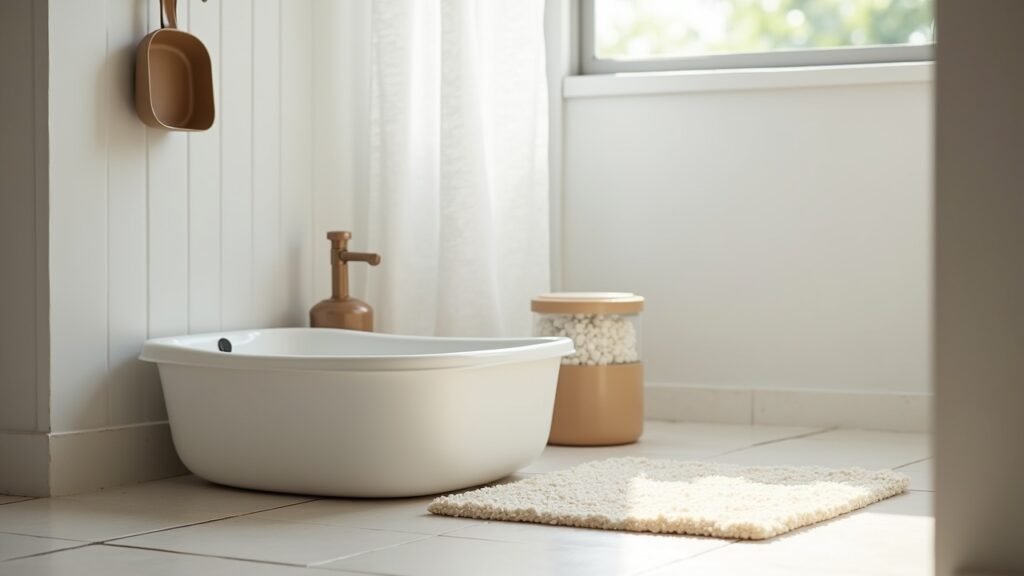
Start With the Right Litter Box Setup
Okay, so this is where I messed up first. I bought this fancy covered litter box with a swinging door because it looked nice in my apartment. Mango was terrified of it. Like, wouldn’t go near the thing.
For young kittens, you want an open, low-sided litter box that’s easy for their little legs to climb into. The Humane Society recommends having one litter box per cat plus one extra, even for a single kitten. I know that sounds like overkill, but trust me on this one.
Place the box somewhere quiet and accessible. Kittens won’t trek across the house to find a bathroom — they just won’t. I put one in the room where Mango spent most of his time, and suddenly things clicked.
Choose a Litter Your Kitten Actually Likes
Not all cat litter is created equal, and kittens can be surprisingly picky. I started with a scented clumping litter because it smelled nice to me. Mango literally turned his nose up at it.
Unscented, fine-grained clumping litter tends to work best for kitten litter training. It feels more natural on their paws. Also, avoid clumping litter for very young kittens under eight weeks — they sometimes eat it, and that’s a whole other problem you don’t want. The ASPCA has some solid guidelines on safe litter options for young cats.
The Secret Sauce: Timing and Routine
This was the game changer for me. Kittens are pretty predictable when it comes to bathroom habits. They usually need to go right after eating, after waking up from a nap, and after playtime.
So here’s what I did. Every single time Mango ate or woke up, I’d gently place him in the litter box. At first he’d just look at me like I was crazy and hop right out. But after a couple of days, something was figured out by that little brain of his.
Consistency is everything here. You gotta be a little obsessive about it for the first week or so. Set reminders on your phone if you have to — I actually did this and I’m not even embarrassed about it.
What to Do When Accidents Happen
And they will happen. Oh boy, they will.
Advertisements
The biggest mistake people make is punishing a kitten for having an accident. Never yell at them or rub their nose in it. That old-school advice is garbage and it just makes your kitten scared of you. Instead, clean the spot thoroughly with an enzymatic cleaner so the smell doesn’t draw them back to the same spot.
When Mango had his accidents — and there was this one horrific incident involving my favorite sneakers — I just cleaned it up and redirected him to the box. Positive reinforcement works way better. A little treat or some gentle praise when they use the box correctly goes a long way.
Quick Tips to Speed Things Up
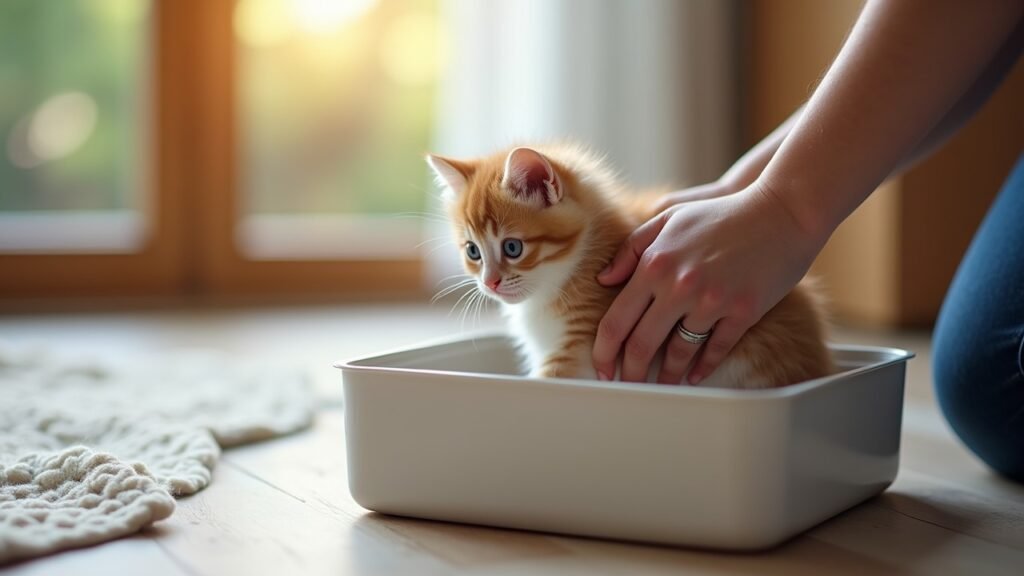
- Keep the litter box clean — scoop daily at minimum
- Don’t move the box around once your kitten knows where it is
- Confine your kitten to a smaller space initially so the box is always nearby
- Use a little bit of used litter to scent a new box
- Be patient — some kittens take a week, others take three
You’ve Got This, Seriously
Litter training a kitten fast isn’t rocket science, but it does take some patience and a solid routine. Every kitten is different, so don’t stress if your little furball takes a bit longer than expected. Adjust the box placement, try a different litter, and keep reinforcing the good behavior.
And please, always make sure whatever products you use are safe for young cats. Their tiny systems are sensitive to chemicals and fragrances that seem harmless to us.
If you found this helpful, swing by Paws Primer for more practical pet care tips and guides. We’ve got tons of posts that’ll make your life as a pet parent way easier!