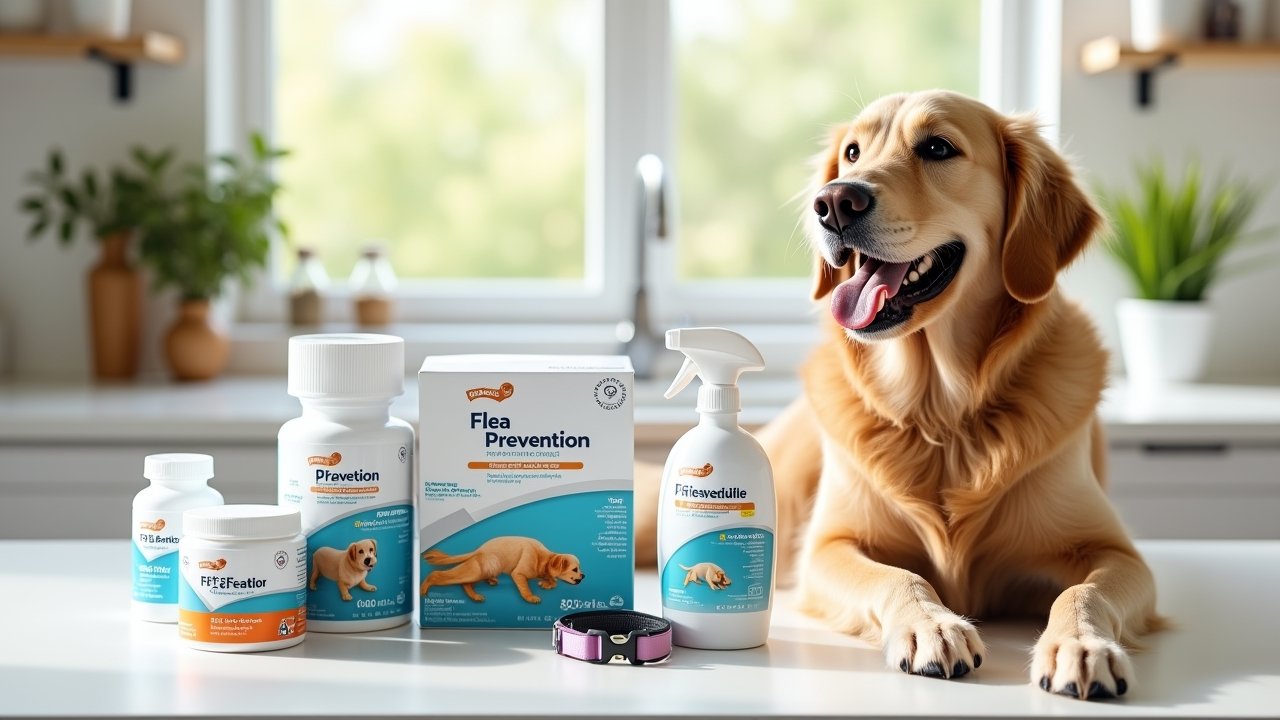

How to Prevent Fleas and Ticks on Your Dog (Before They Take Over Your Life)
Advertisements
Here’s a fun fact that still makes my skin crawl: a single female flea can lay up to 50 eggs per day. Fifty! I learned that the hard way about three years ago when my golden retriever, Biscuit, brought home what I thought was “just a couple fleas” from the dog park. Within two weeks, my entire house was infested, and I was vacuuming like a maniac at 2 AM. That experience taught me that when it comes to flea and tick prevention for dogs, being proactive isn’t optional — it’s survival.
Why Prevention Beats Treatment Every Single Time
Look, I get it. Spending money on monthly preventatives when your dog seems perfectly fine feels like paying for insurance you’ll never use. But trust me on this one — treating a full-blown flea infestation or dealing with a tick-borne illness like Lyme disease is way more expensive and stressful. Prevention is always cheaper than the cure, both for your wallet and your dog’s health.
Fleas cause more than just itching, too. They can trigger flea allergy dermatitis, transmit tapeworms, and even cause anemia in puppies. Ticks are arguably worse since they carry diseases like ehrlichiosis and Rocky Mountain spotted fever that can be life-threatening if not caught early.
The Best Flea and Tick Prevention Methods I’ve Actually Used
After the Great Flea Incident of 2022, I became borderline obsessive about prevention. Here’s what has worked for me and Biscuit over the years.
Monthly Topical Treatments
These are the spot-on treatments you apply between your dog’s shoulder blades. Brands like Frontline and Advantage have been around forever for a reason — they work. I used topicals for years before switching, and honestly they’re a solid budget-friendly option for most dog owners.
Oral Flea and Tick Preventatives
This is what I use now, and it’s been a game-changer. Chewable tablets like NexGard or Simparica kill fleas and ticks from the inside out. Biscuit thinks he’s getting a treat, and I don’t have to worry about the greasy residue that topicals sometimes leave on furniture. You do need a vet prescription for most of these, which is actually a good thing because your vet can recommend the right one based on your dog’s breed, weight, and health history.
Flea and Tick Collars
The Seresto collar is probably the most popular option here, providing up to 8 months of protection. I actually used one of these on my neighbor’s dog when I was pet-sitting last summer, and it seemed to work great. Just make sure you’re buying from an authorized retailer because there’s been issues with counterfeit collars floating around online.
Natural and Environmental Tips That Actually Help
Beyond the medications, there’s a bunch of stuff you can do around the house and yard to keep these parasites at bay. I was honestly surprised how much of a difference some of these made.
- Vacuum frequently — especially carpets, rugs, and anywhere your dog likes to nap. This removes flea eggs before they hatch.
- Wash your dog’s bedding weekly in hot water. I slack on this sometimes, not gonna lie, but it really does help.
- Keep your yard trimmed — ticks love tall grass and leaf piles. Mow regularly and clear debris along fence lines.
- Check your dog after walks — I do a quick tick check on Biscuit every time we come back from wooded trails. Pay attention to ears, armpits, and between toes.
- Consider food-grade diatomaceous earth sprinkled in your yard as a natural flea deterrent, though it’s not a replacement for proper preventatives.
Common Mistakes I’ve Made (So You Don’t Have To)
One mistake that still embarrasses me? I once used a dog flea treatment on my sister’s cat when I was watching her pets. Turns out, some dog flea products contain permethrin, which is toxic to cats. Thankfully we caught it quickly and the cat was fine, but it could have been really bad. Always read labels carefully.
Another thing — don’t skip months during winter thinking fleas and ticks go dormant. They don’t, at least not completely. Fleas can survive indoors year-round, and ticks are active whenever temperatures are above freezing. Year-round protection is recommended by basically every veterinarian I’ve talked to.
Your Dog’s Counting on You
At the end of the day, preventing fleas and ticks on your dog is one of those basic responsibilities that makes a massive difference in their quality of life. Every dog is different though, so talk to your vet about what combination of prevention methods works best for your pup’s specific needs. What works for Biscuit might not be ideal for your chihuahua or your Great Dane.
And please, whatever you do, don’t wait until you see the first flea to take action. Been there, done that, vacuumed the t-shirt. If you found this helpful, head over to Paws Primer for more tips on keeping your furry friend happy, healthy, and parasite-free!