Advertisements
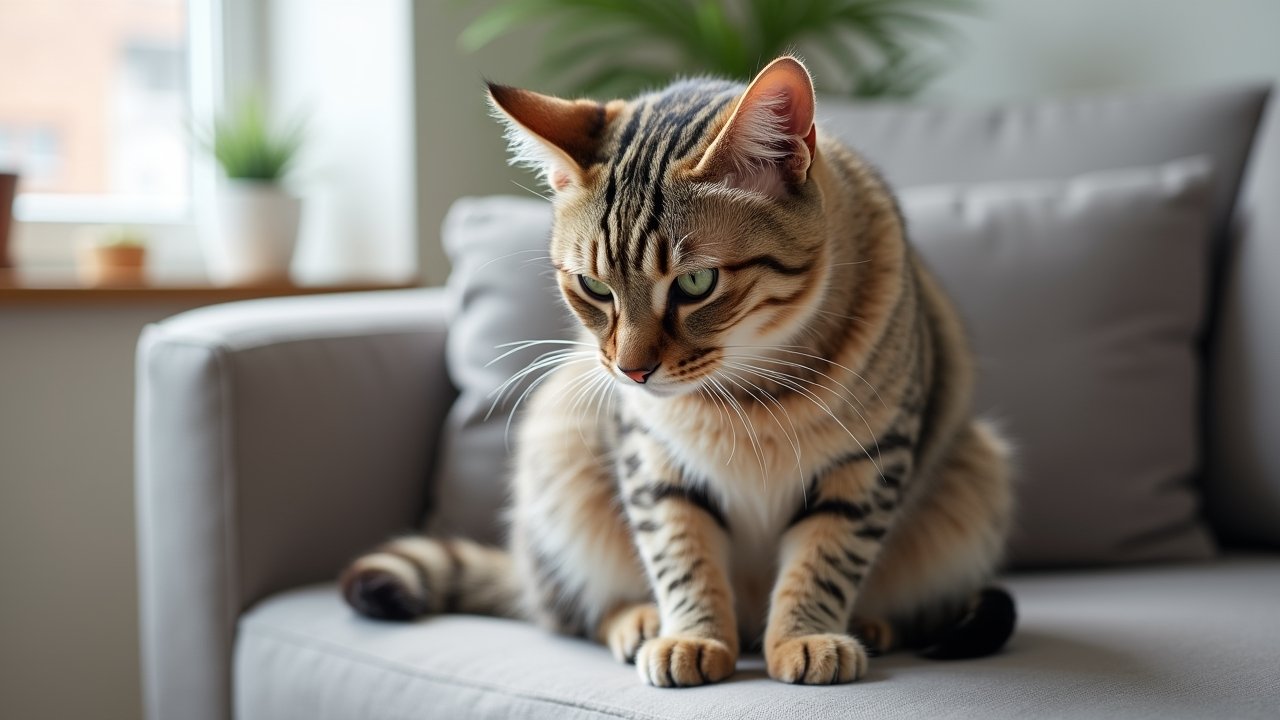
Did you know that up to 10% of cats seen by veterinarians are there because of overgrooming? I learned that stat the hard way when my cat, Milo, started licking his belly completely bald a couple years ago. I honestly thought he was just being extra clean at first — boy, was I wrong! If you’re trying to stop your cat from overgrooming, trust me, you’re not alone, and figuring out the root cause is everything.
What Does Cat Overgrooming Actually Look Like?
So here’s the thing — cats groom themselves a lot naturally. Like, they spend almost 30-50% of their day just licking and cleaning their fur. That’s totally normal.
But overgrooming, also called psychogenic alopecia or excessive licking, is when your cat crosses the line from regular grooming into obsessive behavior. You’ll notice bald patches, thinning fur, or even raw irritated skin. With Milo, it started on his belly and then spread to his inner thighs — I didn’t catch it early enough because he was doing it mostly when I wasn’t home.
Why Is Your Cat Licking So Much?
This is where things get tricky. There’s basically two main buckets — medical causes and behavioral causes. And sometimes it’s both, which is super fun to untangle (sarcasm intended).
Medical Reasons
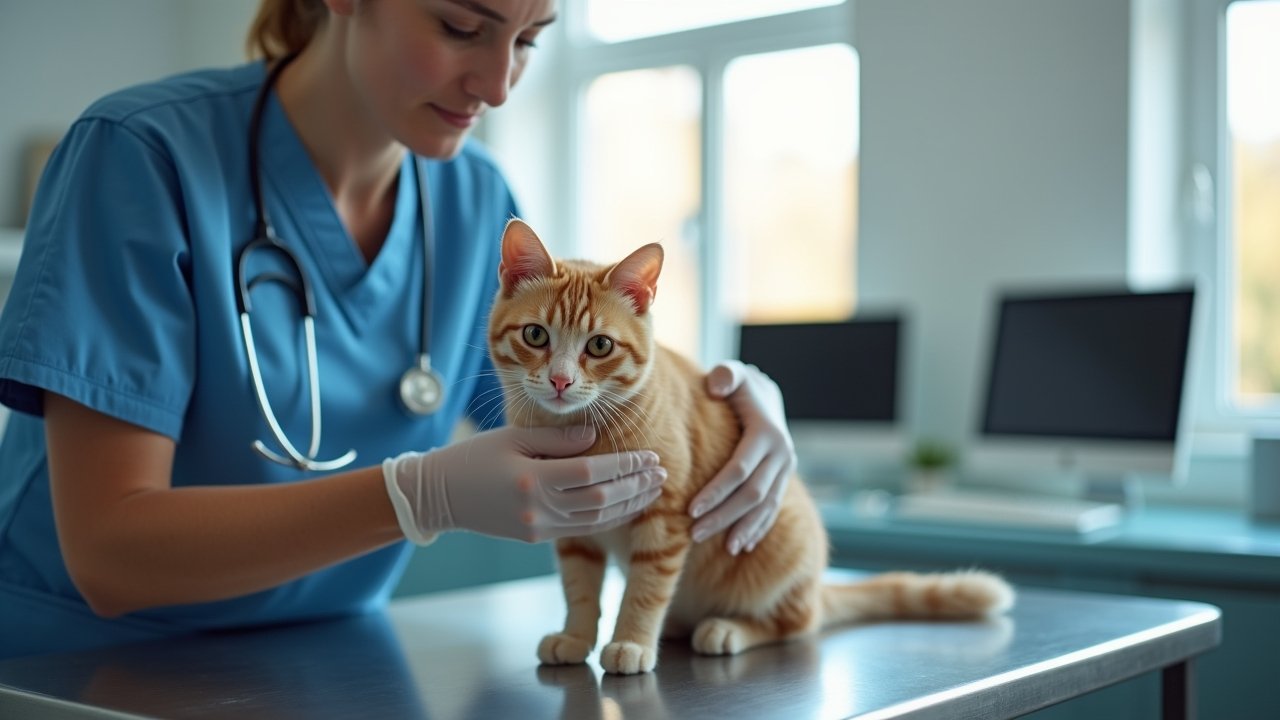
Before you assume it’s stress, please rule out the medical stuff first. I made the mistake of jumping straight to anxiety solutions with Milo, and we wasted weeks before I finally took him to the vet. Turns out he had a mild flea allergy that was driving him nuts.
- Flea allergies or other skin parasites
- Food allergies or sensitivities
- Fungal infections like ringworm
- Pain from arthritis or bladder issues
- Hormonal imbalances like hyperthyroidism
Your vet might do skin scrapings, blood work, or allergy testing. It’s not cheap, I know. But it’s gotta be done.
Behavioral and Stress-Related Causes
Once medical issues are ruled out, stress and anxiety are usually the culprits. Cats are way more sensitive to environmental changes than most people realize. A new pet, moving to a new house, or even rearranging furniture can trigger compulsive grooming in cats.
Boredom is another big one that gets overlooked. Indoor cats especially need mental stimulation or they’ll find their own coping mechanisms — and licking themselves raw is unfortunately a popular choice.
Practical Ways to Stop Cat Overgrooming
Alright, here’s the good stuff. These are things that actually worked for me and Milo, plus some tips I picked up from our vet and other cat parents along the way.
- Visit your vet first — seriously, don’t skip this step like I did
- Address fleas aggressively — even if you don’t see them, use a vet-recommended preventative year-round
- Enrich their environment — puzzle feeders, cat trees, and window perches work wonders for reducing feline anxiety
- Stick to a routine — cats thrive on predictability, so try to feed and play at the same times daily
- Try calming aids — Feliway diffusers were a game-changer in our house, and some cats respond well to calming treats too
- Increase interactive playtime — I started doing two 15-minute play sessions with Milo and noticed a difference within a couple weeks
- Consider a dietary change — if food allergies are suspected, your vet might recommend a hydrolyzed protein diet
One thing I wish someone had told me earlier — don’t punish your cat for overgrooming. It’s a coping mechanism, not bad behavior. Yelling or spraying water just adds more stress to an already stressed-out kitty.
When It’s Time to Call in Backup
If you’ve tried environmental changes and your cat is still going at it, talk to your vet about anti-anxiety medication. I was hesitant at first because I didn’t want to “drug” my cat, but our vet explained that sometimes the brain needs a little chemical help to break the cycle. Medications like fluoxetine are commonly prescribed and they can be temporary while you work on the underlying triggers.
A veterinary behaviorist is another option if your regular vet is stumped. They’re basically cat therapists and honestly, some cats need that level of expertise.
Your Cat’s Fur Will Thank You
Advertisements
Getting Milo to stop overgrooming wasn’t an overnight fix — it took about three months of flea treatment, environmental enrichment, and a whole lot of patience. But seeing his belly fur grow back was genuinely one of the most satisfying things ever. Every cat is different though, so don’t be afraid to customize these approaches to fit your specific situation.
Always work with your veterinarian before starting any new treatments or supplements. And remember, your cat isn’t doing this to annoy you — they need your help. If you found this helpful, swing by the Paws Primer blog for more tips on keeping your furry friends happy and healthy!