
Advertisements
Did you know that nearly 75% of cat owners have been scratched by their own feline at some point? I’m definitely in that statistic. My cat Luna turned my forearms into what looked like a crime scene during her first year with me, and honestly, I was starting to take it personal. But here’s the thing — learning how to stop a cat from scratching you isn’t about punishment or fear. It’s about understanding why those little claws come out in the first place.
Why Does Your Cat Scratch You in the First Place?
Before I figured out how to fix the problem, I had to understand it. Cats scratch people for a bunch of different reasons, and it’s rarely because they’re just being jerks. Overstimulation, fear, redirected aggression, and plain old rough play are the most common culprits.
With Luna, it was mostly overstimulation during petting sessions. She’d be purring away on my lap, totally content, and then BAM — claws out of nowhere. I later learned that cats have a threshold for physical touch, and once you cross it, they react instinctively. The ASPCA has a great breakdown of the different types of feline aggression that really opened my eyes.
Read Your Cat’s Body Language (Seriously, It’s a Game Changer)
This was the single biggest lesson I learned. Cats almost always give warning signs before they scratch, and I was just completely ignoring them. Tail flicking, ears flattening, skin twitching along the back — these are all your cat basically saying “back off, please.”
Once I started paying attention to Luna’s body language, the scratching incidents dropped dramatically. Like, almost overnight. If her tail started swishing while I was petting her, I’d just calmly stop and give her space.
Stop Playing With Your Hands (I Know, I Know)
Okay, this one was hard for me. When Luna was a kitten, I thought it was adorable to wrestle with her using my fingers. Big mistake. Huge. By the time she was a year old, she had been trained — by me — to see my hands as toys.
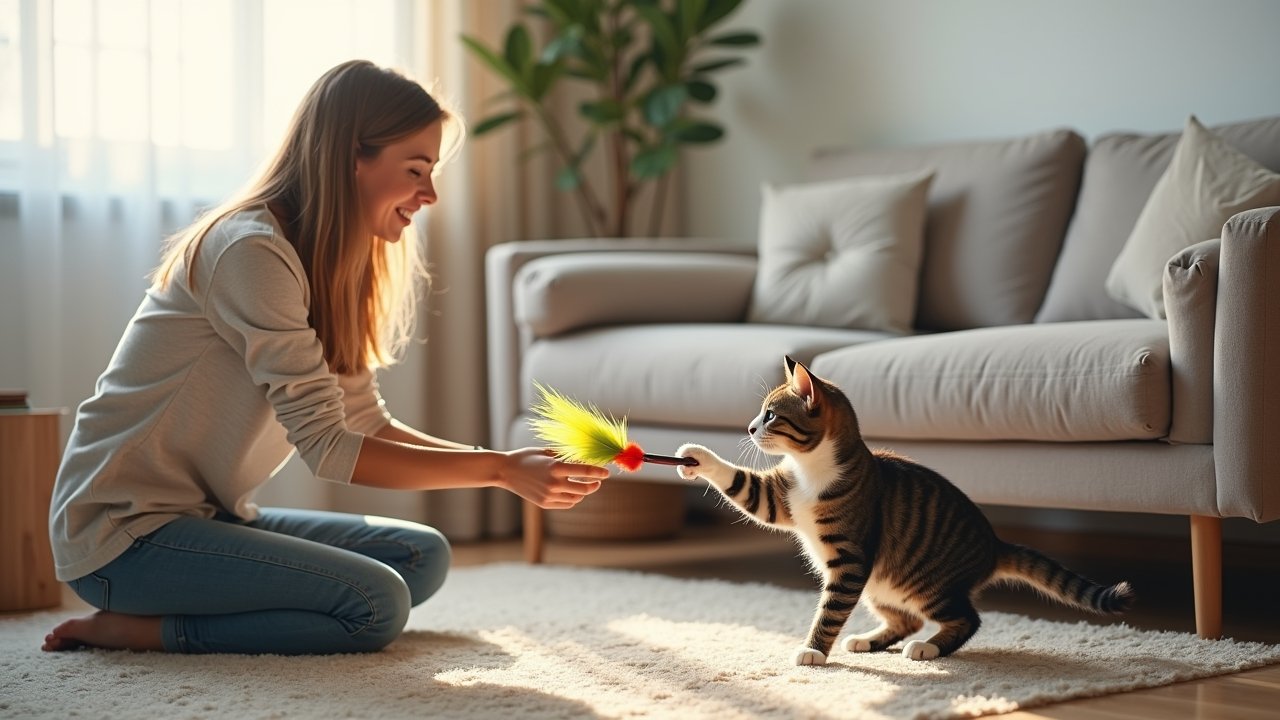
Interactive cat toys like wand toys and feather teasers are your best friend here. They put distance between your skin and those razor-sharp claws. Jackson Galaxy’s guide on cat play really helped me restructure how I played with Luna, and I can’t recommend it enough.
Trim Those Claws Regularly
I’ll be honest, the first time I tried trimming Luna’s nails it was a disaster. She squirmed, I panicked, and we both ended up stressed out. But keeping your cat’s claws trimmed is one of the simplest ways to reduce scratching damage.
Here’s what worked for me:
- Start by just touching your cat’s paws regularly so they get used to it.
- Use proper cat nail clippers — not human ones.
- Only trim the very tip, avoiding the pink quick inside the nail.
- Do one or two nails at a time if your cat gets antsy.
- Reward them with treats immediately after.
It took about three weeks before Luna tolerated a full nail trim session. Patience is everything with this one.
Redirect the Behavior, Don’t Punish It
One thing that never worked was yelling or spraying Luna with water. It just made her scared of me, which actually led to more defensive scratching. Cats don’t understand punishment the way dogs sometimes do.
Instead, when she’d get that wild look in her eyes, I’d calmly redirect her energy toward a scratching post or a toy. Positive reinforcement through treats and praise when she used appropriate outlets made a world of difference. The Humane Society recommends this approach too, and it genuinely works.
Consider Soft Nail Caps
Advertisements
If you’re really struggling, soft nail caps like Soft Paws can be a temporary solution. They’re little vinyl covers that glue onto your cat’s claws and they actually work pretty well. I used them for a couple months while I was retraining Luna’s play habits, and they saved my skin — literally.
Your Hands Will Thank You Later
Look, stopping your cat from scratching you is totally doable. It just takes a bit of patience, some behavior adjustments on both sides, and a willingness to actually listen to what your cat is telling you. Every cat is different, so don’t be afraid to tweak these tips to fit your specific situation.
And please, never declaw your cat — it’s painful and causes long-term behavioral issues. There’s always a humane way to solve scratching problems. If you found this helpful and want more practical cat care advice, head over to the Paws Primer blog where we cover all sorts of topics to help you and your feline live your best lives together!