How to Train Your Cat to Use a Cat Flap Door (Without Losing Your Mind)
Here’s a fun little stat for you — roughly 25% of cat owners who install a cat flap say their cat flat-out refuses to use it at first. I was definitely part of that statistic! I remember spending a whole Saturday afternoon installing a brand new microchip cat flap only to watch my cat, Mango, stare at it like it was some kind of alien portal she wanted absolutely nothing to do with.
Training a cat to use a cat flap door is one of those things that sounds ridiculously simple until you actually try it. But trust me, with a little patience and the right approach, even the most stubborn kitty can learn to push through that little swinging door like a pro.
Why Some Cats Are Terrified of Cat Flaps
Okay so first things first — let’s talk about why your cat might be avoiding the pet door entirely. Cats are creatures of habit, and anything new in their environment can be genuinely unsettling for them. That weird flapping noise? The strange resistance against their face? Yeah, they’re not fans.
Mango literally jumped backwards the first time the flap swung and tapped her nose. It was kind of hilarious but also frustrating because I’d just spent good money on the thing. Understanding that your cat’s hesitation is totally normal is honestly the first step to making this whole process less stressful for both of you.
Start by Propping the Flap Wide Open
This was the game-changer for me. Before you expect your cat to push through anything, tape or prop the cat flap completely open so there’s zero resistance. You can use a piece of tape or a clothespin — whatever works.
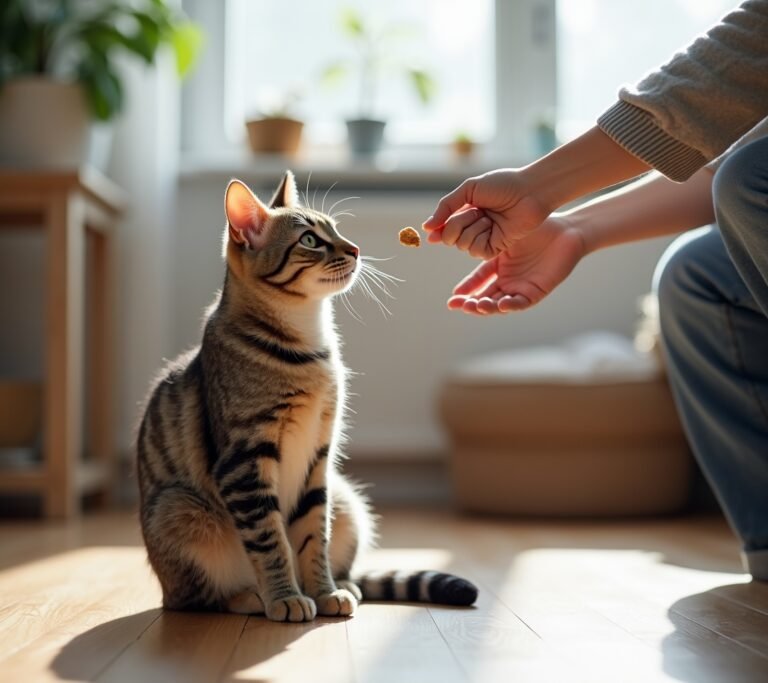
The goal here is to let your cat walk through the opening freely without the flap touching them at all. Place some treats on the other side of the door to encourage them. The ASPCA recommends using positive reinforcement for any kind of cat training, and honestly it’s the only thing that really works.
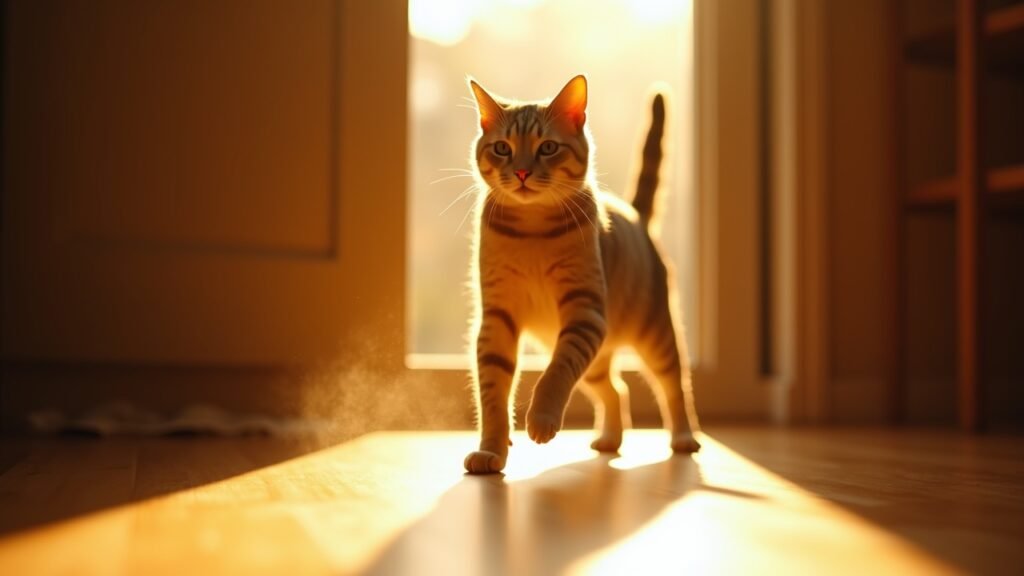
I spent about three days with the flap taped open. By day two, Mango was casually strolling through like she owned the place. Which, let’s be real, she does.
Gradually Lower the Flap
Here’s where patience becomes your best friend. Once your cat is comfortable walking through the open hole, start lowering the flap little by little. I’m talking incremental changes here — don’t just let it drop all the way down overnight.
First day, I lowered it maybe a quarter of the way. Then halfway. Each time, I made sure to put treats and even her favorite toy on the other side to keep motivation high. Some folks use a little bit of Feliway spray near the flap to help their cat feel calmer, which is a pretty solid move if your cat is particularly anxious.
One mistake I made was trying to push Mango through the flap with my hand. Don’t do this. Seriously. It completely backfired and set us back like two days because she associated the flap with being forced into something uncomfortable.
Use Treats and Encouragement — Not Force
I cannot stress this enough. Never, ever shove your cat through the cat flap. It might seem like a shortcut but it’ll make your cat distrust the whole setup. Instead, use high-value treats — the smelly ones they go absolutely bonkers for.
- Place treats progressively closer to and then through the flap
- Use a calm, encouraging voice when your cat approaches
- Reward every small victory, even just sniffing the door
- Keep training sessions short — five minutes max
The whole process took me about a week and a half from start to finish. Some cats get it in a few days though, so don’t compare your timeline to anyone else’s.
What If Your Cat Still Won’t Budge?
Look, some cats are just extra stubborn. If you’ve been at it for a couple weeks with no progress, try feeding your cat their meals right next to the flap. Then gradually move the food bowl to the other side so they have to push through to eat.
Hunger is a pretty powerful motivator — not gonna lie. You could also try having someone your cat loves call them from the other side of the door. Sometimes a familiar voice does what treats can’t.
Your Cat Will Get There — Promise
Training a cat to use a cat flap door really just comes down to patience, positive reinforcement, and resisting the urge to rush things. Every cat learns at their own pace, so adjust these tips to fit your specific furry friend’s personality. And please make sure the cat flap is the right size — a too-small opening can make the whole experience unpleasant.
If you found this helpful, check out more pet tips and guides over at Paws Primer — we’ve got tons of posts to help you and your pets live your best lives together!