

Senior Dog Care: How to Adjust Routines as Your Best Friend Gets Older
Advertisements
Here’s a stat that honestly caught me off guard — according to the American Veterinary Medical Association, dogs are considered “senior” by age 7 in most breeds. Seven! I remember looking at my Lab, Duke, thinking he was still a puppy at heart, and then realizing his gray muzzle and stiff morning walks were telling a very different story.
Adjusting your routines for a senior dog isn’t just a nice thing to do. It’s essential for their quality of life, comfort, and longevity. And trust me, I learned some of these lessons the hard way.
Recognizing the Signs That It’s Time to Shift Gears
The first mistake I made was ignoring the subtle changes. Duke started sleeping more, which I just chalked up to him being lazy. But then he began hesitating before jumping into the car, and his appetite got a little weird — some days he’d eat everything, other days he barely touched his bowl.
Common signs your aging dog needs a routine change include stiffness after rest, decreased enthusiasm for walks, weight gain or loss, and changes in bathroom habits. If you’re noticing any of these, it’s not your imagination. Your dog is telling you something.
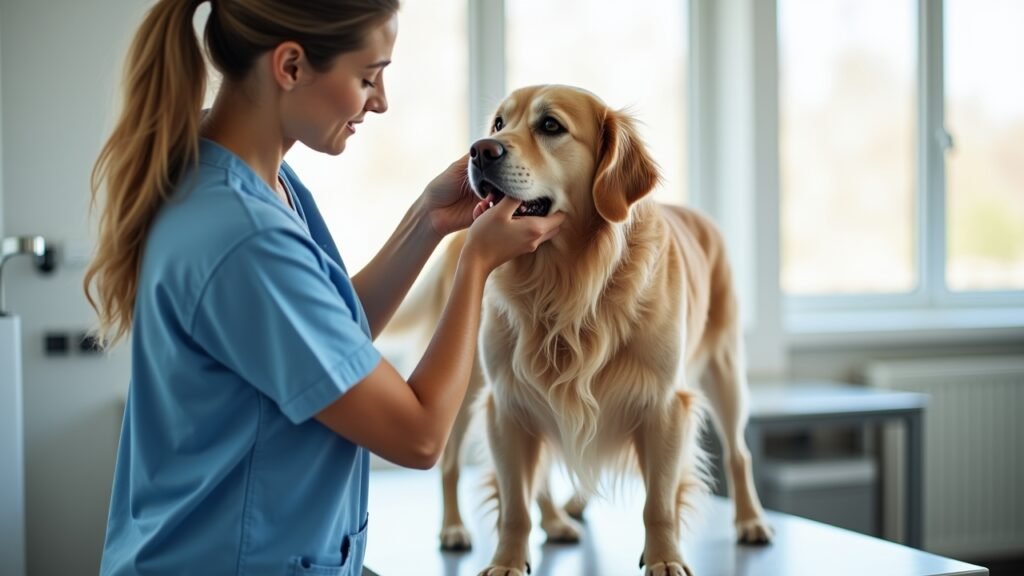
A visit to the vet should honestly be your first move. The AKC recommends twice-yearly checkups for senior dogs instead of just annual ones. I didn’t know that until way too late, and I still kick myself about it.
Rethinking Exercise Without Cutting It Out Completely
So here’s where I really messed up. When Duke started slowing down, I basically stopped walking him as much. I thought I was being kind, but my vet told me that was actually one of the worst things I could’ve done. Senior dogs still need regular physical activity — it keeps their joints mobile and their weight in check.
The trick is modifying the intensity, not eliminating it. Instead of one long 45-minute walk, we switched to two shorter 15-minute strolls. Swimming is also fantastic for older dogs because it’s low-impact on their joints. We found a local dog-friendly pool and honestly, Duke acted like a puppy again in the water.
Also, gentle stretching and even canine physical therapy can work wonders. I was skeptical at first — like, physical therapy for a dog? But it made a noticeable difference in his mobility within weeks.
Adjusting Their Diet for an Aging Body
This one seems obvious but it’s so easy to overlook. I kept feeding Duke the same food he’d eaten since he was three years old. Turns out, senior dogs have different nutritional needs — they typically require fewer calories but more fiber, joint-supporting supplements like glucosamine, and easily digestible proteins.
I switched him to a senior-specific formula recommended by our vet and added a fish oil supplement for his coat and joints. The folks at PetMD have a great breakdown of what to look for in senior dog food if you’re feeling overwhelmed by the options. And believe me, the options are overwhelming.
One small tip that helped us: warming up his food slightly. It made it more aromatic and appealing, especially on days when his appetite was being finicky.
Creating a Comfortable Living Space
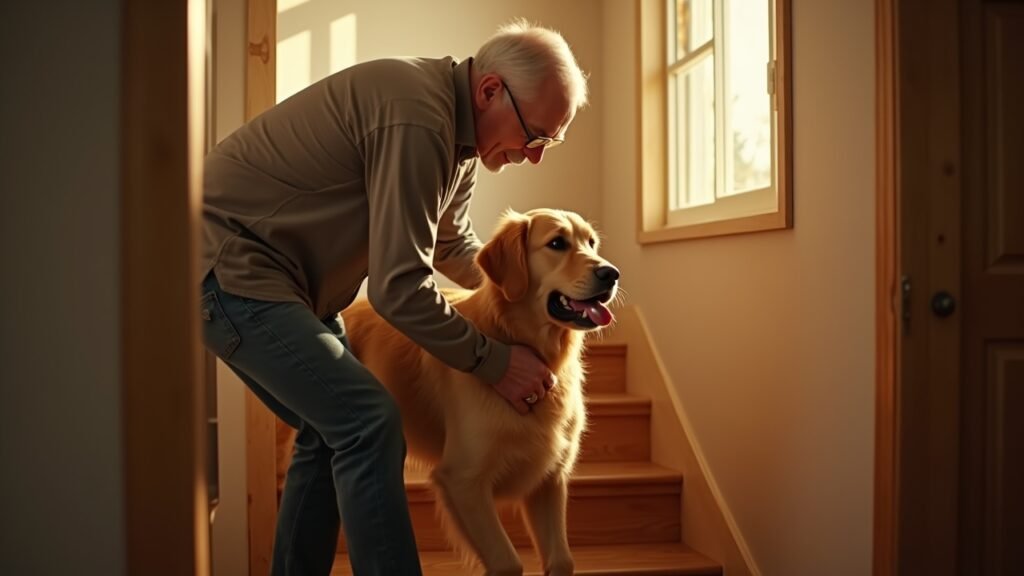
I never thought much about where Duke slept until I noticed him struggling to get onto the couch. Orthopedic dog beds were a game-changer for us. We also added a ramp to the back door because those three little steps had become his nemesis.
Advertisements
Non-slip rugs on hardwood floors, raised food bowls to reduce neck strain, and keeping their favorite spots easily accessible — these small adjustments make a huge difference. It’s all about reducing unnecessary strain on their old bones and aching joints.
Don’t Forget Their Mental Health
Cognitive decline in senior dogs is a real thing, sometimes called canine cognitive dysfunction. Duke started getting confused at night, pacing around, and sometimes staring at walls. It was heartbreaking.
Puzzle toys, short training sessions, and gentle socialization helped keep his mind engaged. Even just sniff walks — where you let them lead and smell everything — provide incredible mental stimulation for aging pups.
Your Senior Dog Is Counting on You
At the end of the day, adjusting routines for your senior dog is about paying attention, staying flexible, and showing up for them the way they’ve always shown up for you. Every dog ages differently, so customize these tips to fit your specific situation and always consult your veterinarian before making big changes.
Your gray-muzzled buddy deserves the best golden years possible. For more tips on keeping your furry family member happy and healthy, check out more posts on Paws Primer — we’ve got tons of resources waiting for you!